Flowers That Speak: Meaning, Symbolism, and Timeless Appeal
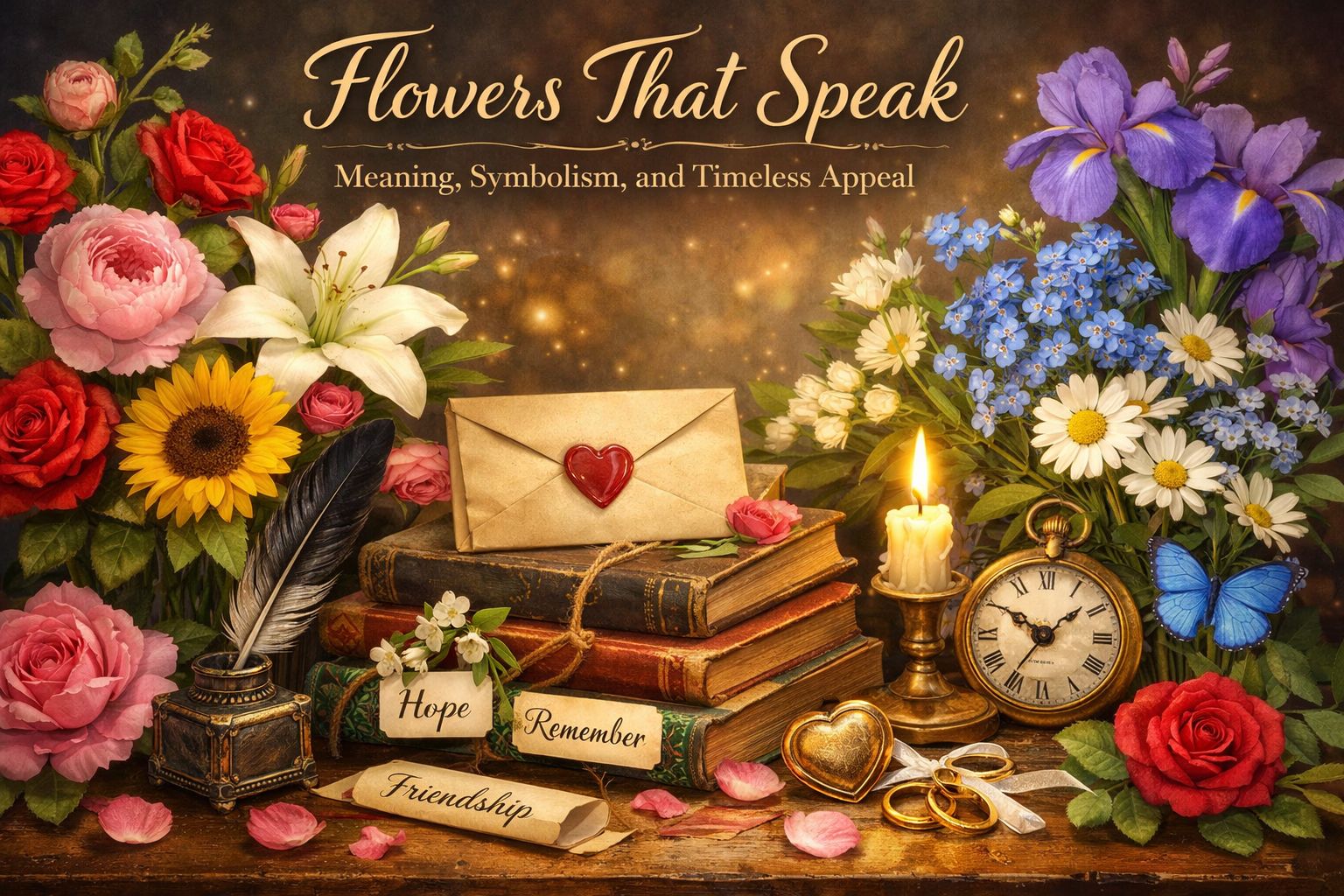
Flowers have been an integral part of human expression for thousands of years. Beyond their beauty and fragrance, flowers carry deep meanings and emotions, often conveying messages words cannot fully express. From love and gratitude to sorrow and hope, flowers have a universal language that transcends cultures and time. This silent yet powerful communication is what makes flowers truly timeless.
The Language of Flowers: An Ancient Tradition
The concept of flowers conveying specific meanings is known as floriography. It gained popularity during the Victorian era when strict social rules limited emotional expression. People used flowers to send hidden messages—each bloom, color, and arrangement symbolized a feeling or intention.
However, the symbolic use of flowers dates back much further. Ancient Egyptians associated lotus flowers with rebirth and the sun, while Greeks linked roses to Aphrodite, the goddess of love. Across Asia, Europe, and the Middle East, flowers have played vital roles in rituals, celebrations, and storytelling.
Popular Flowers and Their Meanings
Each flower carries its own unique symbolism, shaped by history, mythology, and cultural beliefs.
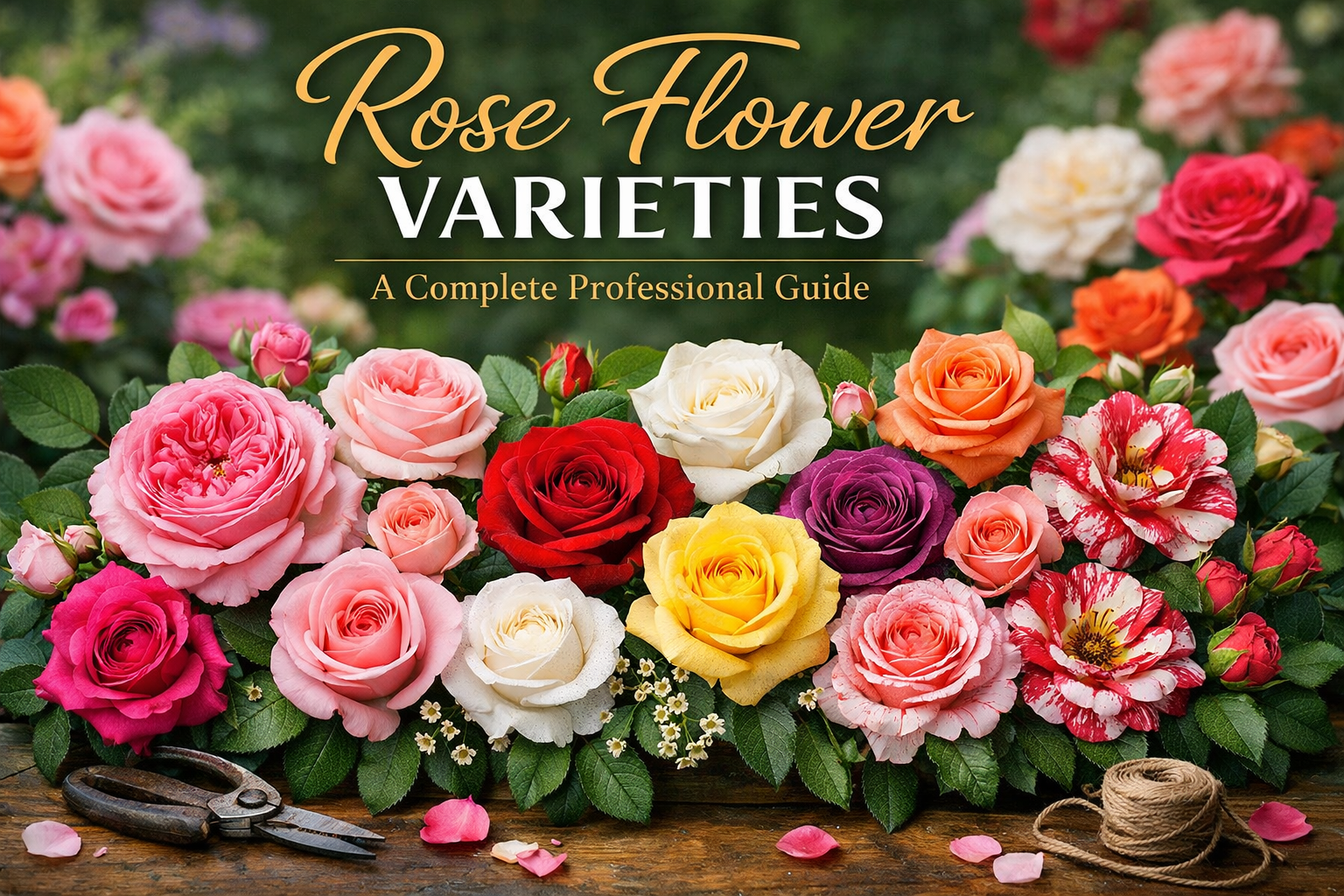
Rose
The rose is one of the most universally recognized symbolic flowers. Red roses represent love and passion, white roses symbolize purity and new beginnings, yellow roses convey friendship and joy, while pink roses express admiration and gratitude.
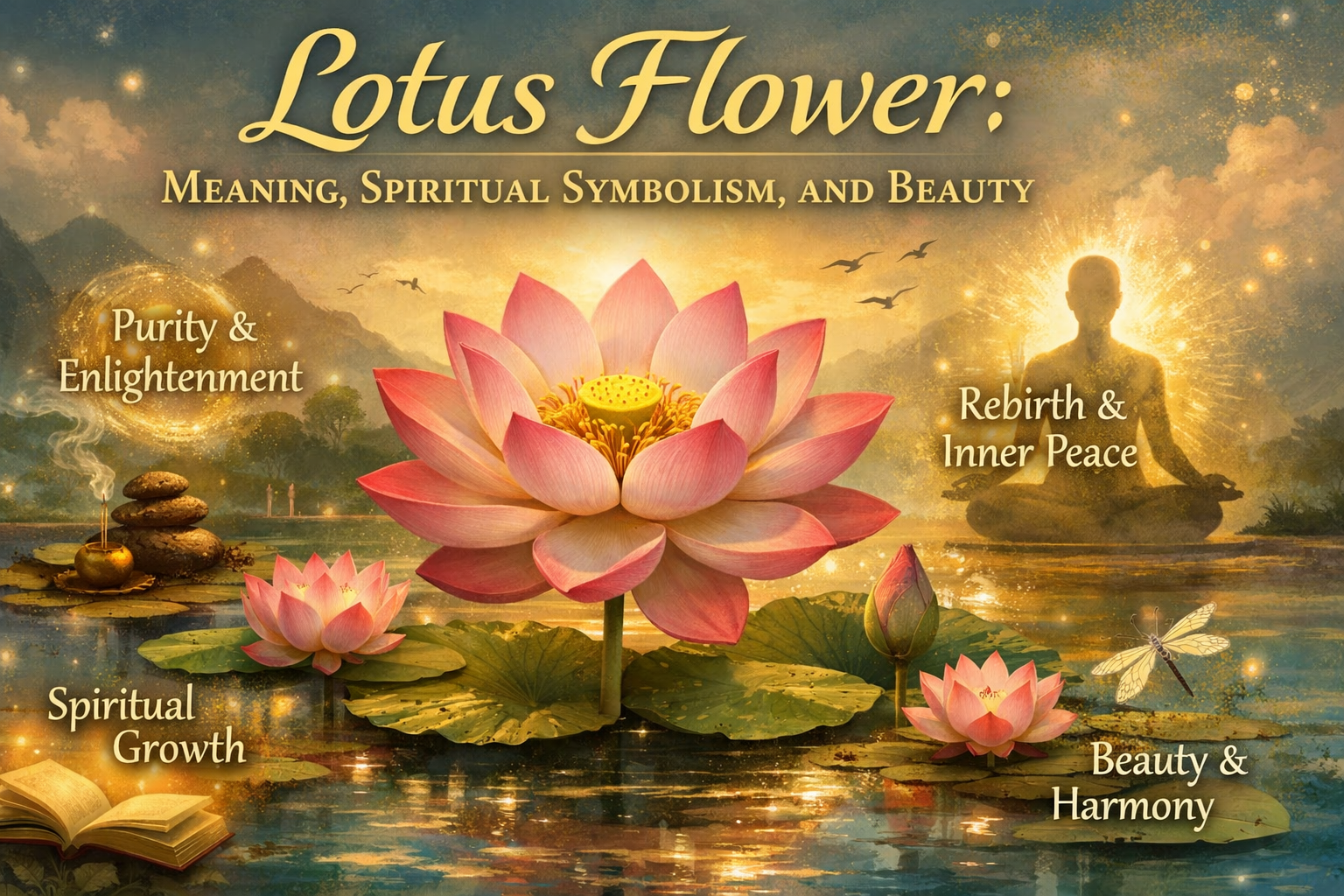
Lotus
The lotus flower symbolizes purity, spiritual awakening, and resilience. Growing beautifully from muddy waters, it is especially significant in Hinduism and Buddhism, representing enlightenment and inner peace.
Lily
Lilies are often associated with purity, renewal, and devotion. White lilies commonly appear at weddings and funerals, symbolizing innocence and the restored soul.
Sunflower
Sunflowers represent happiness, positivity, and loyalty. Their tendency to face the sun makes them symbols of optimism and unwavering faith.
Tulip
Tulips convey perfect love and elegance. Different colors add nuance—red tulips symbolize deep love, yellow tulips represent cheerful thoughts, and purple tulips signify royalty.
Orchid
Orchids stand for luxury, strength, and beauty. In many cultures, they also symbolize fertility, refinement, and rare elegance.
Colors and Their Emotional Impact
Flower symbolism is not limited to the type of bloom; color plays a powerful role in shaping meaning.
- Red: Passion, love, courage
- White: Purity, peace, innocence
- Yellow: Friendship, joy, warmth
- Pink: Grace, admiration, gentleness
- Purple: Royalty, mystery, spirituality
- Blue: Calmness, trust, serenity
The combination of flower type and color allows for highly personalized emotional expression, making floral gifting both meaningful and thoughtful.
Flowers in Cultural and Social Life
Flowers are deeply woven into cultural traditions worldwide. They are used in weddings, festivals, religious ceremonies, and memorials. In many cultures, flowers symbolize life’s key moments—birth, love, success, and remembrance.
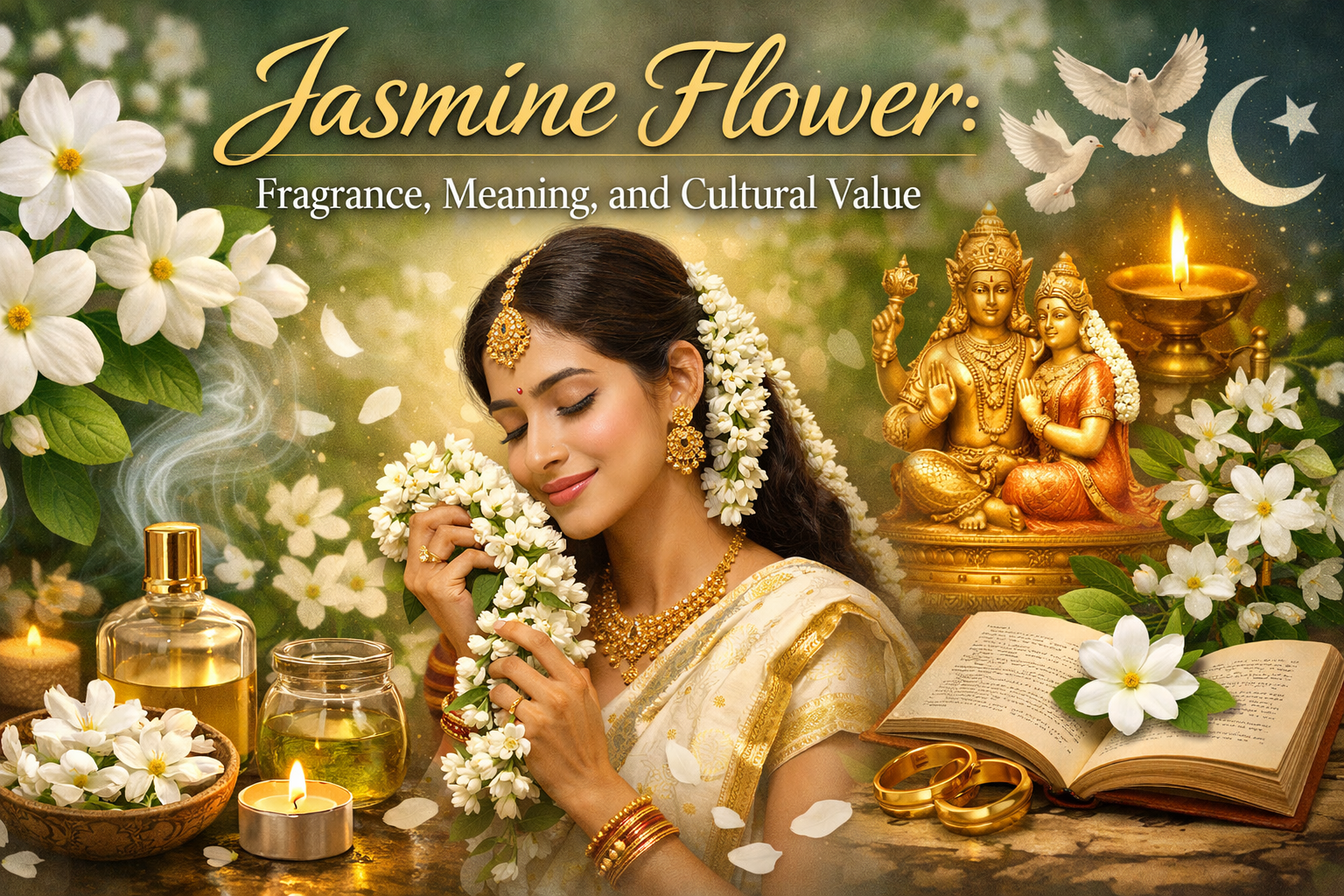
In India, marigolds are used in festivals and religious rituals as symbols of auspiciousness and positive energy. In Japan, cherry blossoms represent the fleeting nature of life, reminding people to appreciate beauty in the present moment. In Western cultures, flowers are essential for romantic gestures, celebrations, and condolences.
Timeless Appeal in Modern Life
Despite technological advancement and changing lifestyles, flowers continue to hold emotional significance. They remain one of the most meaningful gifts because they connect people to nature and emotion. Flowers offer comfort during difficult times, joy during celebrations, and elegance in everyday spaces.
In modern design and wellness trends, flowers are used to enhance mental well-being, reduce stress, and create calming environments. Floral patterns dominate fashion, interior décor, and art, proving that their appeal never fades.
Flowers as Emotional Messengers
What makes flowers truly special is their ability to communicate without speech. A bouquet can apologize, congratulate, express love, or offer sympathy. This emotional versatility ensures that flowers remain relevant across generations.
Unlike material gifts, flowers are temporary, which adds to their emotional depth. Their fleeting beauty reminds us of life’s impermanence, encouraging mindfulness and appreciation of the present.
The Enduring Connection Between Humans and Flowers
The bond between humans and flowers is deeply emotional and symbolic. Flowers mark milestones, preserve traditions, and enrich daily life. They connect us to nature while helping us express feelings that words often fail to capture.
In a fast-paced world dominated by screens and digital communication, flowers provide a tangible, sensory experience. Their colors, textures, and fragrances ground us, offering moments of peace and emotional clarity.
Conclusion
Flowers are far more than decorative elements—they are timeless symbols of emotion, culture, and human connection. From ancient rituals to modern expressions of love and remembrance, flowers continue to speak a universal language. Their meanings, symbolism, and beauty ensure they remain cherished across cultures and generations. Whether gifted, admired, or grown, flowers will always hold a special place in the human heart.