Rose Flower: Meaning, Types, and Timeless Elegance
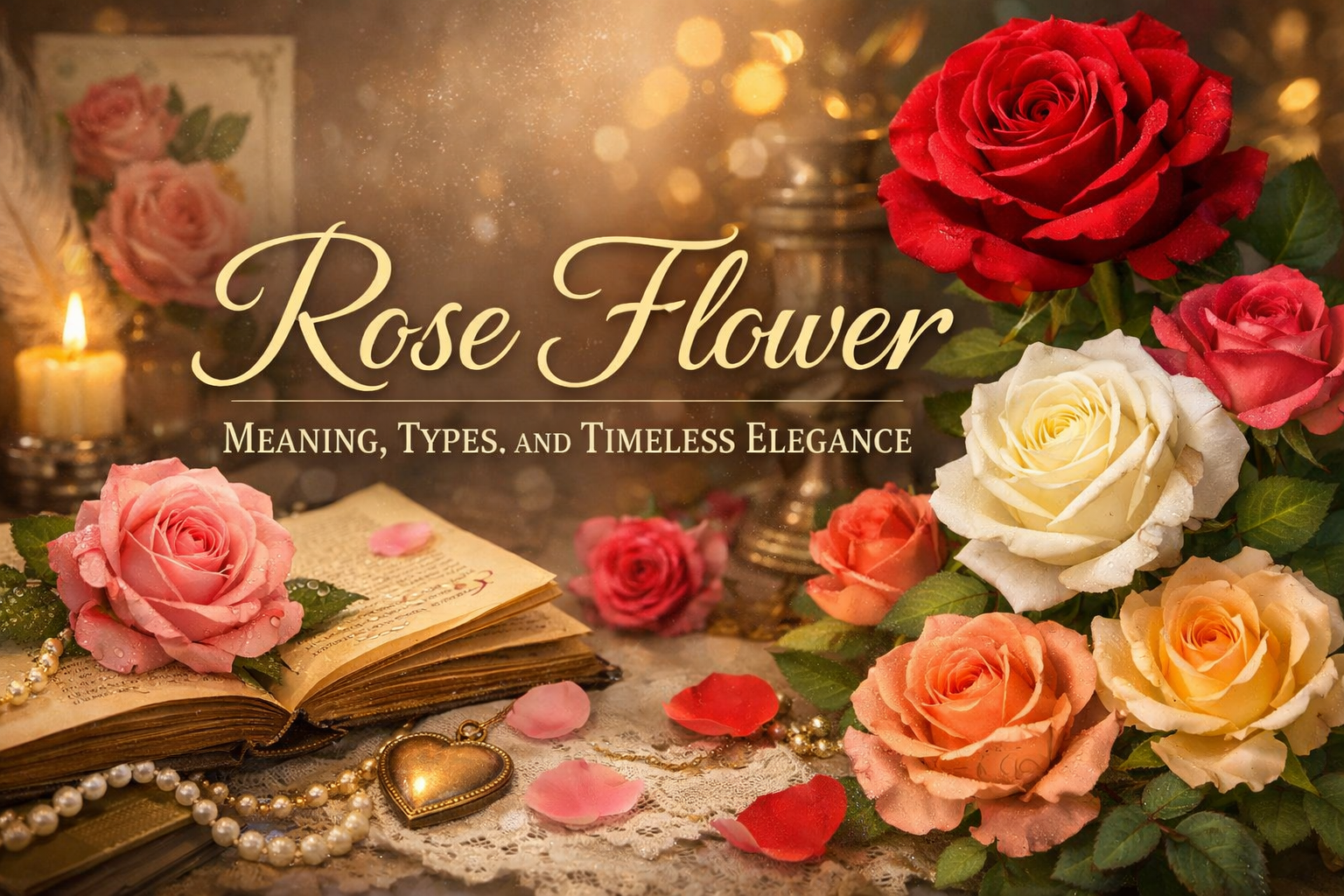
The rose flower has captivated human hearts for centuries, standing as one of the most cherished and symbolically rich flowers in the world. From ancient civilizations to modern celebrations, roses have represented love, beauty, passion, and elegance. Their delicate petals, enchanting fragrance, and wide range of colors make them a universal symbol of emotion and refinement. In this article, we explore the meaning of roses, their popular types, and the timeless elegance that keeps them relevant across cultures and generations.
The Meaning and Symbolism of Roses
Roses are far more than just beautiful flowers; they carry deep meanings that vary by color, culture, and context. Throughout history, roses have been used to express emotions that words often fail to convey.
Red Roses – Love and Passion
Red roses are the ultimate symbol of love and romance. They are traditionally associated with deep affection, desire, and respect. From Valentine’s Day to anniversaries, red roses remain the most popular choice for expressing romantic feelings.
White Roses – Purity and New Beginnings
White roses symbolize purity, innocence, and peace. They are often used in weddings to represent new beginnings and eternal love. White roses are also associated with remembrance and honor, making them suitable for solemn occasions.
Pink Roses – Grace and Admiration
Pink roses convey admiration, gratitude, and gentle affection. Lighter shades represent sweetness and joy, while darker pink roses symbolize appreciation and respect. They are often gifted as a sign of thanks or admiration.
Yellow Roses – Friendship and Joy
Yellow roses symbolize friendship, happiness, and warmth. Unlike older interpretations that linked yellow roses with jealousy, modern symbolism associates them with positivity, optimism, and strong platonic bonds.
Orange Roses – Enthusiasm and Desire
Orange roses combine the passion of red and the joy of yellow. They represent enthusiasm, fascination, and excitement, making them ideal for expressing energetic emotions and admiration.
Lavender and Blue Roses – Mystery and Uniqueness
Lavender roses symbolize enchantment and love at first sight, while blue roses, often artificially created, represent mystery, rarity, and the unattainable.
Popular Types of Roses
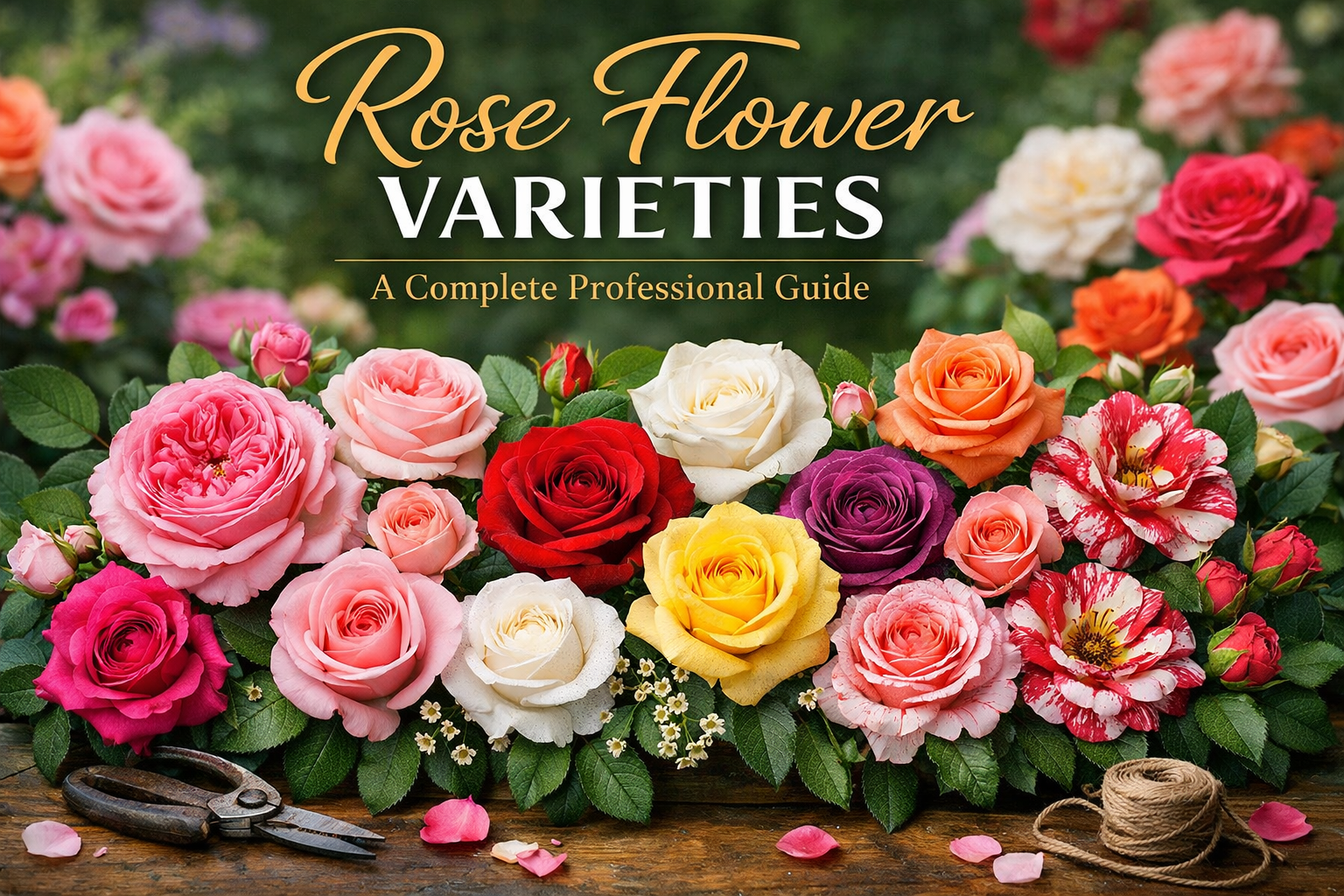
Roses are incredibly diverse, with thousands of varieties cultivated around the world. Each type has its own unique charm, fragrance, and purpose.
Hybrid Tea Roses
Hybrid tea roses are among the most popular garden roses. Known for their large, elegant blooms and long stems, they are commonly used in bouquets and floral arrangements. These roses bloom repeatedly throughout the season and are prized for their classic beauty.
Floribunda Roses
Floribunda roses are valued for their clusters of flowers and vibrant colors. They are hardy, easy to grow, and bloom continuously, making them ideal for gardens and landscapes.
Grandiflora Roses
A cross between hybrid tea and floribunda roses, grandiflora roses offer large blooms in clusters. They combine elegance with abundant flowering and are often used in formal gardens.
Climbing Roses
Climbing roses are known for their long, flexible canes that can be trained over trellises, walls, and arches. They add vertical beauty and romance to outdoor spaces, creating stunning visual displays.
Shrub Roses
Shrub roses are versatile, hardy, and low-maintenance. They are often used in landscaping and hedges due to their natural growth habit and resistance to disease.
Miniature Roses
Miniature roses are small but charming, featuring tiny blooms that resemble full-sized roses. They are perfect for indoor decoration, container gardening, and gifting.
Wild Roses
Wild roses are the original species from which modern roses were developed. They usually have five petals and a simple, natural appearance. These roses are valued for their resilience and ecological importance.
The Timeless Elegance of Roses
Roses have maintained their elegance and popularity through changing trends and eras. Their timeless appeal lies in their versatility and emotional depth.
Roses in History and Culture
In ancient Greece and Rome, roses were associated with goddesses of love and beauty. During the Middle Ages, roses symbolized secrecy and confidentiality, giving rise to the phrase “sub rosa.” In literature and art, roses have been used as metaphors for love, beauty, and the fleeting nature of life.
Roses in Modern Life
Today, roses remain central to celebrations and personal expressions. They are used in weddings, festivals, religious ceremonies, and everyday gestures of love and appreciation. Roses are also widely used in perfumes, skincare products, and aromatherapy due to their soothing fragrance.
Roses as a Universal Gift
One of the reasons roses are timeless is their ability to suit almost any occasion. Whether it is a birthday, anniversary, apology, or celebration, roses communicate emotions effortlessly. Their universal recognition makes them a meaningful and elegant gift across cultures.
Why Roses Continue to Inspire
The enduring charm of roses lies in their perfect balance of beauty and symbolism. Each rose tells a story, reflecting emotions that are deeply personal yet universally understood. Their wide range of colors, forms, and fragrances ensures that there is a rose for every sentiment and moment.
Roses also inspire creativity, appearing in poetry, music, fashion, and art. Their delicate petals and subtle strength remind us of life’s beauty and the power of emotions. Even in a fast-paced modern world, roses retain their place as a symbol of grace and timeless elegance.
Conclusion
The rose flower stands as a powerful symbol of love, emotion, and beauty. With rich meanings tied to their colors, a wide variety of types suited for different purposes, and an elegance that transcends time, roses continue to hold a special place in human culture. Whether admired in a garden, gifted to a loved one, or used as inspiration in art, roses remain a timeless expression of the heart.