White Rose Flower: Purity, Grace, and Floral Excellence
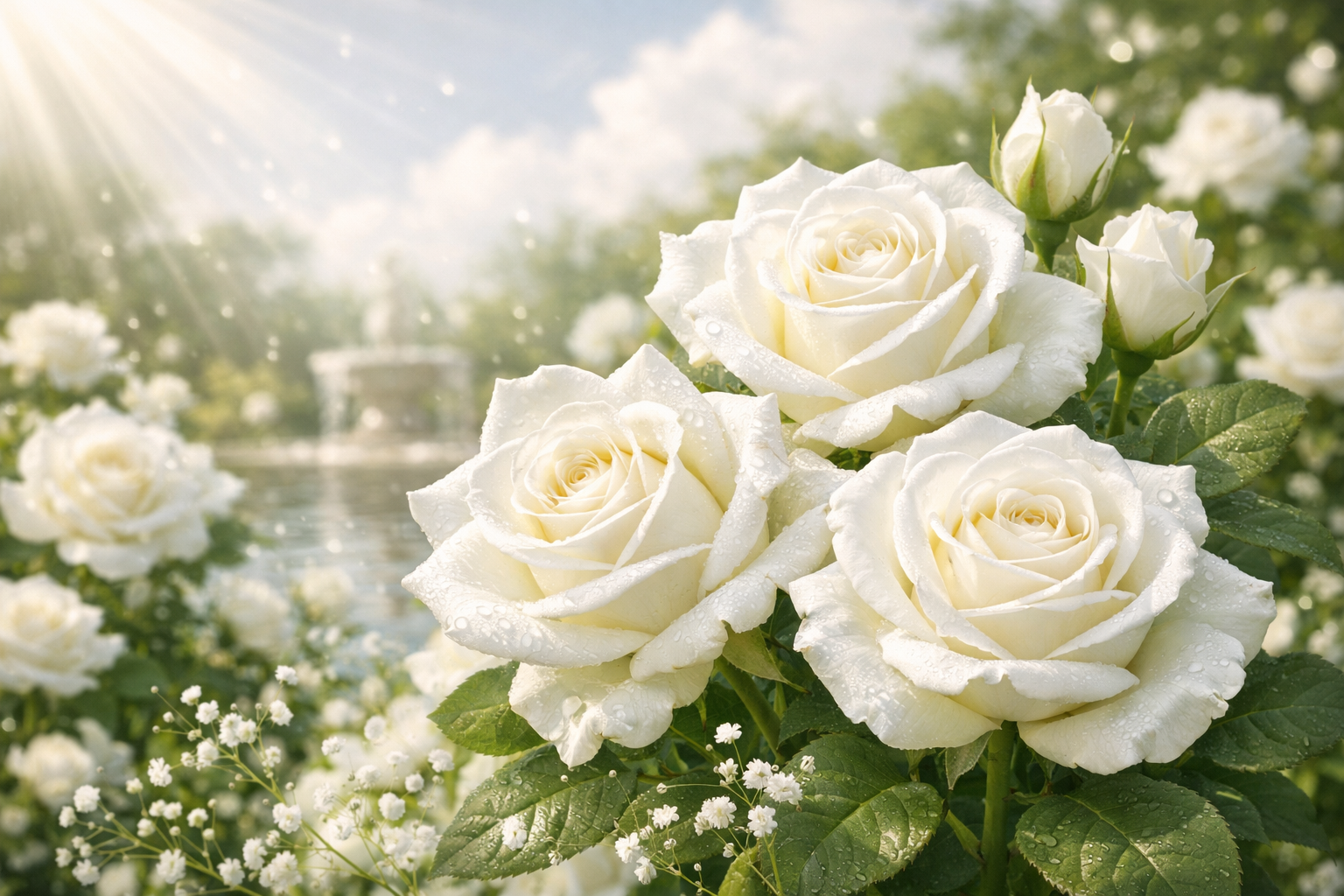
The white rose flower has long been admired for its timeless beauty, gentle fragrance, and deep symbolic meaning. Representing purity, grace, and new beginnings, white roses hold a special place in cultures, ceremonies, and gardens around the world. Their soft petals and elegant form make them one of the most cherished flowers, suitable for both joyful celebrations and moments of remembrance. This article explores the meaning, history, varieties, care tips, and modern significance of white roses, highlighting why they continue to symbolize floral excellence.
The Symbolism of White Roses
White roses are universally associated with purity and innocence. Their pristine color reflects honesty, reverence, and sincerity, making them a popular choice for weddings, baptisms, and spiritual occasions. In many cultures, white roses also symbolize new beginnings, representing fresh starts, hope, and renewal.
Beyond purity, white roses convey grace and humility. They are often gifted to express deep respect, remembrance, and unconditional love. Unlike red roses, which are associated with passion, white roses speak of calm, peaceful emotions, making them appropriate for expressing sympathy or honoring cherished memories.
Historical and Cultural Significance
The history of white roses dates back thousands of years. Ancient civilizations, including the Greeks and Romans, associated white roses with goddesses of love and beauty. In medieval Europe, white roses became symbols of nobility and were often used in royal gardens.
One of the most famous historical references is the “White Rose of York,” a symbol of the House of York in England. It represented purity of claim and loyalty during the Wars of the Roses. Over time, the white rose evolved into a broader emblem of peace and unity.
In Eastern cultures, white flowers, including roses, are commonly associated with spirituality, respect, and remembrance. This global recognition of white roses highlights their universal emotional appeal.
Popular Varieties of White Roses
White roses come in many varieties, each with unique characteristics:
- Iceberg Rose – Known for its abundant blooms and disease resistance, Iceberg roses are popular in gardens and landscapes.
- White Avalanche Rose – A favorite in floral arrangements, this variety has large, velvety petals and a luxurious appearance.
- Madame Hardy Rose – An old garden rose with a strong fragrance and classic charm.
- Pope John Paul II Rose – Celebrated for its pure white petals and pleasant citrus scent.
- Winchester Cathedral Rose – A romantic English rose with soft, layered blooms.
These varieties showcase the versatility of white roses, from formal bouquets to natural garden settings.
White Roses in Weddings and Celebrations
White roses are among the most popular wedding flowers worldwide. Brides often choose them for bouquets, centerpieces, and decorative arches because they represent purity, unity, and everlasting love. Their neutral tone pairs beautifully with greenery and other pastel flowers, creating elegant and timeless floral designs.
Beyond weddings, white roses are used in anniversaries, religious ceremonies, and milestone celebrations. Their refined appearance adds sophistication to any event, making them a symbol of grace and elegance.
Role of White Roses in Sympathy and Remembrance
White roses are also deeply connected to remembrance and sympathy. They are commonly used in funerals and memorial services to express honor, peace, and eternal respect for the departed. The calm and serene nature of white roses provides comfort during emotional moments, offering a gentle way to convey condolences.
In this context, white roses symbolize the purity of the soul and the hope of spiritual peace, reinforcing their powerful emotional meaning.
Growing and Caring for White Roses
Growing white roses requires proper care to maintain their beauty and health. Here are essential tips:
- Sunlight: White roses thrive in full sunlight, ideally receiving at least six hours of direct sun daily.
- Soil: Well-drained, nutrient-rich soil is essential for strong growth and vibrant blooms.
- Watering: Regular watering is important, especially during dry seasons, but overwatering should be avoided.
- Pruning: Prune roses regularly to encourage new growth and maintain shape.
- Pest Control: Monitor for pests and diseases, as white petals can show damage more clearly.
With the right care, white roses can flourish in gardens, adding elegance and charm year after year.
White Roses in Art, Literature, and Modern Culture
White roses have inspired poets, artists, and writers for centuries. They are often used as metaphors for purity, spiritual love, and transcendence. In modern culture, white roses continue to appear in fashion, décor, and branding, symbolizing sophistication and minimalistic beauty.
Florists frequently recommend white roses for luxury arrangements due to their clean aesthetic and versatility. Whether used alone or combined with other flowers, they create a refined and harmonious visual impact.
Why White Roses Represent Floral Excellence
The enduring popularity of white roses lies in their ability to communicate deep emotions without words. Their simple yet powerful appearance transcends trends, making them a classic choice across generations. From romantic gestures to solemn tributes, white roses adapt effortlessly to every occasion.
Their combination of symbolic depth, aesthetic elegance, and cultural significance truly defines floral excellence. White roses are not just flowers; they are timeless expressions of grace, purity, and respect.
Conclusion
The white rose flower stands as a symbol of purity, grace, and timeless beauty. Its rich history, emotional symbolism, and versatile use in celebrations and remembrance make it one of the most meaningful flowers in the world. Whether growing in a garden, featured in a wedding bouquet, or offered as a sign of respect, white roses continue to embody elegance and floral perfection. Their quiet strength and gentle charm ensure they will always hold a special place in human expression and culture.