Lily Flower: Meaning, Symbolism, and Elegant Appeal
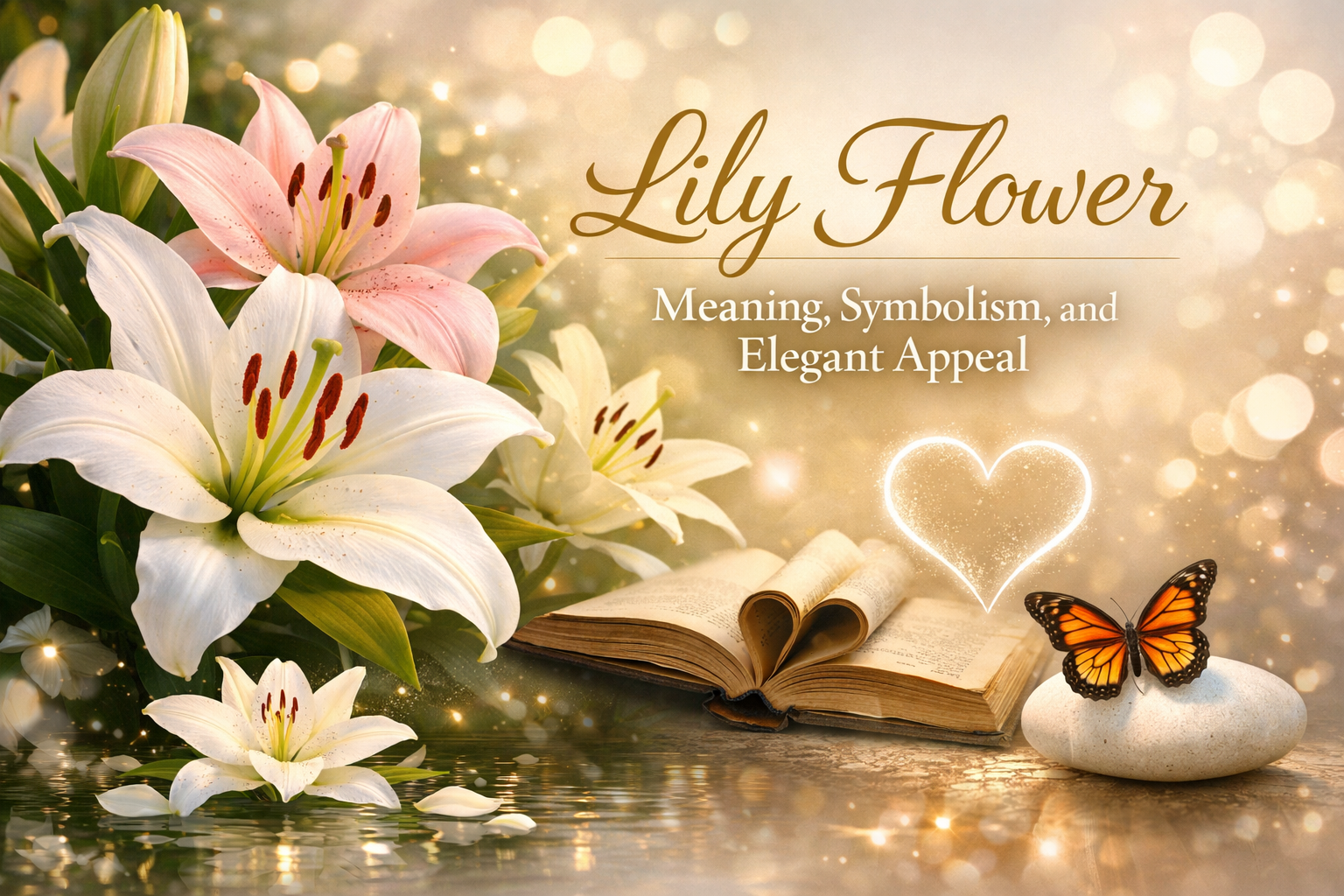
The lily flower is one of the most admired blooms in the world, celebrated for its refined beauty, rich fragrance, and deep symbolic meaning. Across cultures, religions, and centuries, lilies have represented purity, renewal, love, and devotion. Their elegant appearance and versatile symbolism make them a favorite choice for gardens, floral arrangements, ceremonies, and artistic inspiration. In this article, we explore the meaning, symbolism, cultural significance, and timeless appeal of the lily flower.
Introduction to the Lily Flower
Lilies belong to the genus Lilium and are known for their large, trumpet-shaped blossoms and striking colors. Native to the Northern Hemisphere, these flowers thrive in temperate climates and have been cultivated for thousands of years. Lilies are perennial plants, meaning they bloom year after year, symbolizing continuity and endurance.
From classic white lilies to vibrant orange, pink, yellow, and purple varieties, lilies offer visual elegance that suits both formal and casual settings. Their graceful form and pleasant fragrance have earned them a permanent place in gardens and floral traditions worldwide.
Meaning of the Lily Flower
The general meaning of the lily flower revolves around purity, innocence, and renewal. Because of their pristine appearance, especially white lilies, they are often associated with fresh beginnings and spiritual clarity. In many traditions, lilies symbolize the soul’s return to peace, making them common in both joyful celebrations and solemn occasions.
Lilies also represent femininity and motherhood, linked to nurturing love and compassion. Their ability to bloom beautifully from a simple bulb reinforces the idea of inner strength and transformation.
Symbolism of Lily Colors
Different colors of lilies carry distinct symbolic meanings, allowing them to convey specific emotions and messages:
- White Lily: Symbolizes purity, peace, humility, and spiritual devotion. Commonly used in weddings and memorials.
- Pink Lily: Represents admiration, femininity, prosperity, and compassion. Often gifted to express appreciation and affection.
- Yellow Lily: Signifies happiness, gratitude, and positive energy. It can also represent friendship and optimism.
- Orange Lily: Symbolizes confidence, pride, passion, and ambition. These bold blooms convey enthusiasm and strength.
- Red Lily: Associated with deep love, romance, and intense emotions.
- Purple Lily: Represents royalty, elegance, and spiritual awareness.
The wide range of colors makes lilies suitable for various occasions and emotional expressions.
Cultural and Religious Symbolism
Lilies hold profound significance in many cultures and religions:
Christianity
In Christian symbolism, the white lily is strongly associated with the Virgin Mary, representing purity and virtue. Lilies often appear in religious art, symbolizing resurrection and divine grace, especially during Easter celebrations.
Ancient Greece and Rome
According to Greek mythology, lilies were believed to have originated from the milk of Hera, the queen of the gods. They symbolized motherhood and rebirth. Romans later adopted the lily as a symbol of fertility and abundance.
Asian Cultures
In Chinese culture, lilies symbolize good luck, harmony, and long-lasting relationships. They are commonly used in weddings to represent a happy union and lasting love.
Funeral Traditions
Lilies are frequently used in funeral arrangements because they symbolize the restored innocence of the soul after death, offering comfort and hope to the grieving.
Lily Flower in Love and Relationships
Lilies are popular flowers for expressing emotions related to love, respect, and commitment. While roses often symbolize passionate romance, lilies convey a more refined and meaningful affection. They are ideal for anniversaries, engagements, and meaningful milestones, symbolizing trust, loyalty, and sincere admiration.
Pink and red lilies are especially suitable for romantic gestures, while white lilies communicate pure and devoted love.
Elegant Appeal in Home and Garden
One of the greatest attractions of the lily flower is its elegant aesthetic appeal. With tall stems, symmetrical petals, and vibrant hues, lilies add sophistication to any space. In gardens, they serve as stunning focal points, blending beautifully with other plants.
Indoors, lilies elevate the ambiance with their graceful presence and subtle fragrance. Whether placed in living rooms, offices, or event venues, they create an atmosphere of calm and refinement.
Lilies are also favored in modern floral design due to their versatility. They complement minimalist arrangements as well as elaborate bouquets, making them suitable for weddings, corporate events, and festive decorations.
Lily Flower in Art and Literature
Throughout history, lilies have inspired artists, poets, and writers. They often appear in paintings as symbols of virtue, serenity, and beauty. In literature, lilies are used metaphorically to describe purity, elegance, and fleeting beauty.
Their timeless charm continues to influence modern design, fashion, and branding, reinforcing their status as a symbol of sophistication.
Why the Lily Flower Remains Timeless
The enduring popularity of the lily flower lies in its perfect balance of beauty and meaning. It appeals to people across generations because it represents emotions that are universal—love, peace, hope, and renewal. Its adaptability to different cultural contexts and occasions ensures that lilies remain relevant in a changing world.
Whether used to celebrate life’s happiest moments or to honor solemn memories, lilies communicate messages that words often cannot.
Conclusion
The lily flower is far more than a beautiful bloom. It is a powerful symbol of purity, love, renewal, and elegance that transcends cultures and time. With its wide range of colors, deep spiritual significance, and graceful appearance, the lily continues to captivate hearts worldwide. From gardens to ceremonies, art to personal expression, the lily flower stands as a timeless emblem of beauty and meaning.