Rose Flower: Meaning, Types, and Timeless Elegance
The rose flower has long been regarded as a universal symbol of beauty, love, and emotion. From ancient civilizations to modern celebrations, roses continue to hold a special place in art, literature, culture, and daily life. Their delicate petals, captivating fragrance, and wide range of colors make them one of the most cherished flowers in the world. This article explores the meaning of the rose flower, its popular types, and the timeless elegance that makes roses eternally relevant.
Meaning and Symbolism of the Rose Flower
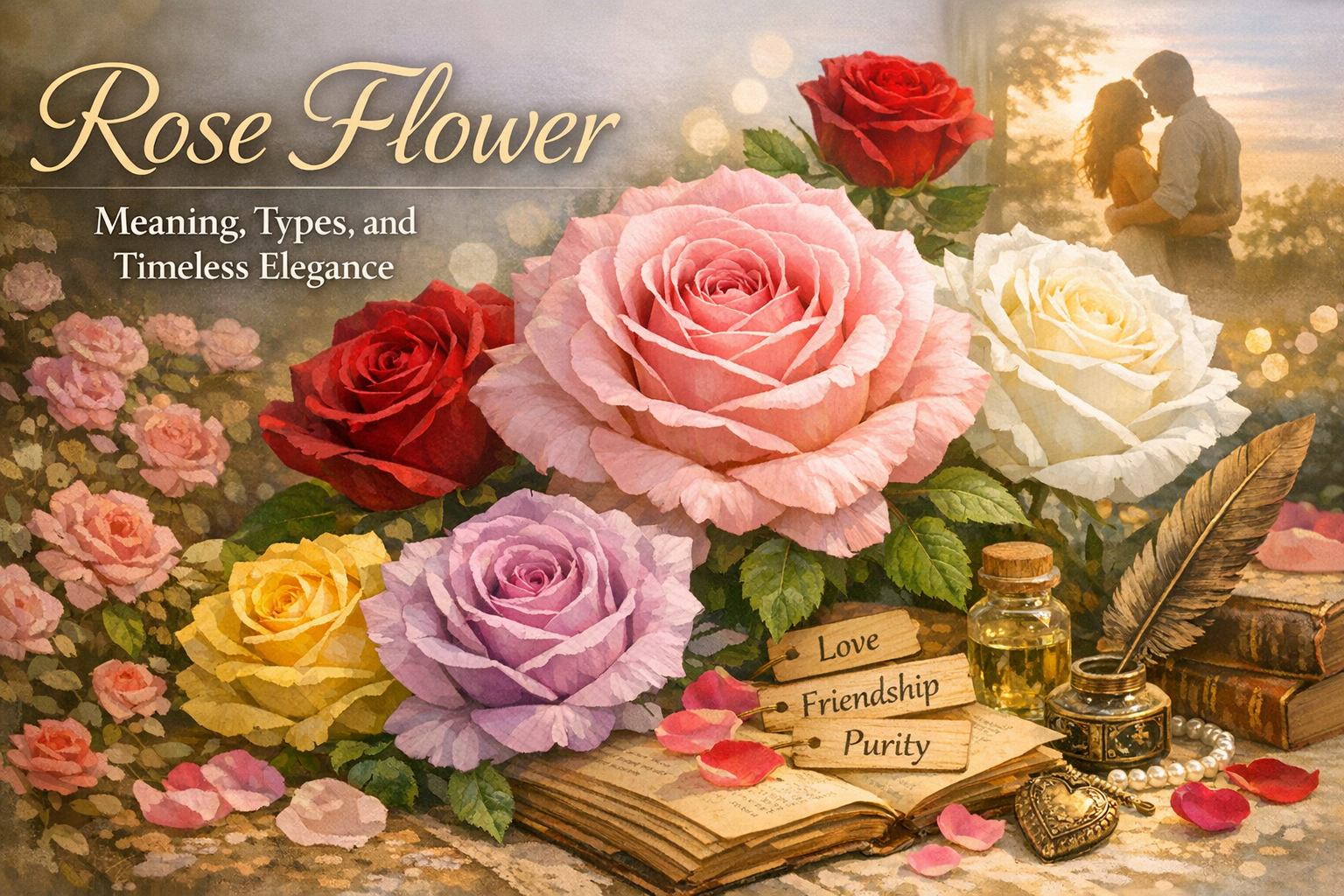
The rose is more than just a visually stunning bloom; it carries deep symbolic meanings that vary across cultures and colors. Historically, roses were associated with gods and goddesses, representing divine love and beauty. Over time, they became closely linked with human emotions and relationships.
- Red Roses symbolize love, romance, passion, and desire. They are most commonly associated with deep affection and are a popular choice for expressing romantic feelings.
- White Roses represent purity, innocence, peace, and new beginnings. They are often used in weddings and ceremonies symbolizing harmony.
- Pink Roses convey admiration, gratitude, joy, and gentleness. They are ideal for expressing appreciation and elegance.
- Yellow Roses stand for friendship, happiness, and warmth. They symbolize cheerful emotions and platonic bonds.
- Orange Roses signify enthusiasm, energy, and fascination, blending the passion of red with the joy of yellow.
- Purple or Lavender Roses represent enchantment, mystery, and love at first sight.
Across cultures, roses are used to communicate emotions without words. This silent yet powerful language of roses has contributed to their lasting popularity.
Historical Significance of Roses
Roses have been cultivated for thousands of years, with evidence dating back to ancient China, Egypt, Greece, and Rome. In Greek mythology, roses were linked to Aphrodite, the goddess of love, while Romans used them extensively in celebrations, decorations, and perfumes. During the Middle Ages, roses became symbols of secrecy and honor, famously represented in royal emblems and coats of arms.
In literature and poetry, roses have often symbolized fleeting beauty and the complexity of love. Their presence in history reinforces their reputation as a flower of profound emotional and cultural importance.
Popular Types of Rose Flowers
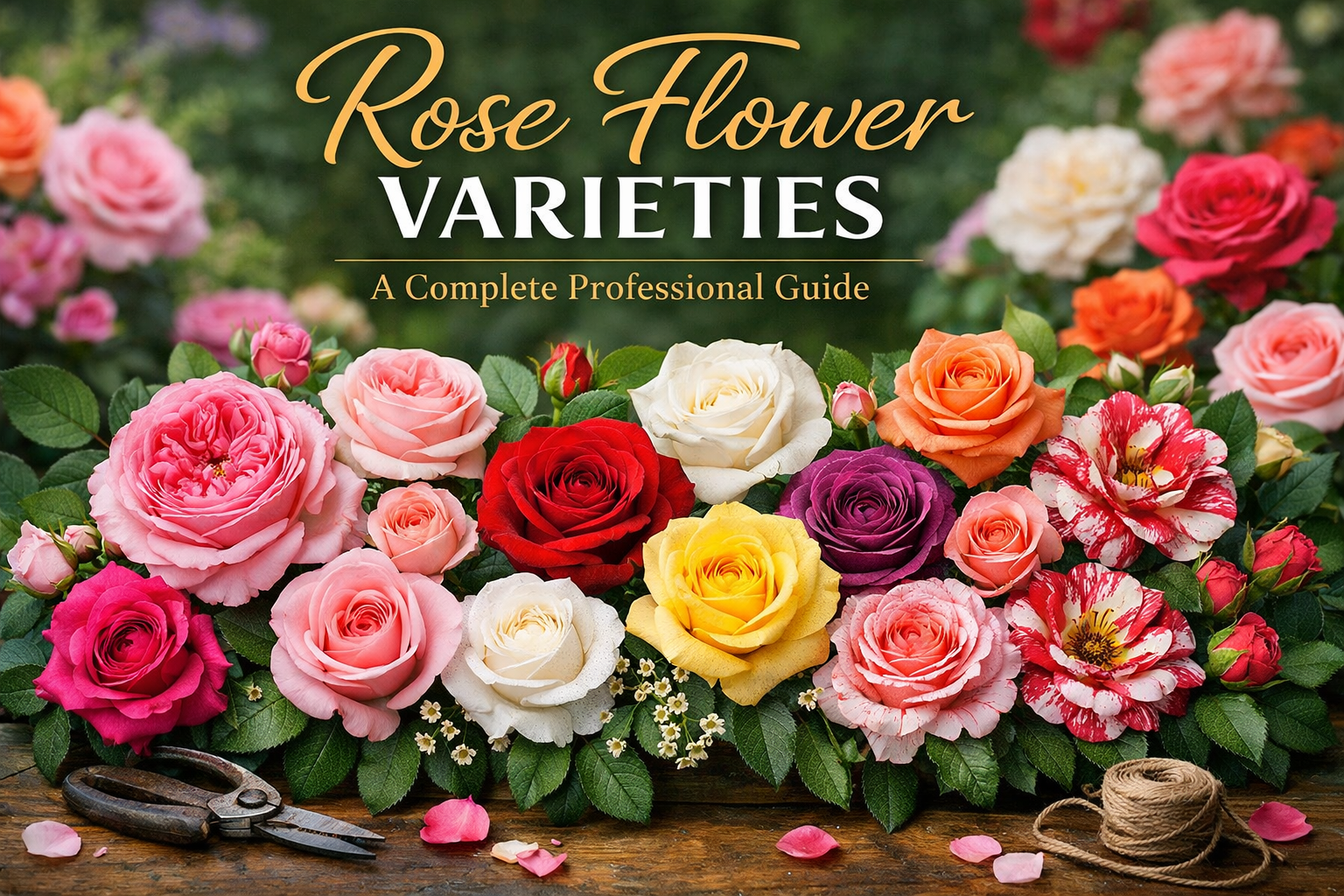
There are over 300 species and thousands of rose varieties grown worldwide. Each type has its own charm, growth habit, and purpose. Some of the most popular types include:
1. Hybrid Tea Roses
Hybrid tea roses are known for their large, well-formed blooms and long stems. They are a favorite for bouquets and floral arrangements due to their classic rose shape and elegant appearance.
2. Floribunda Roses
Floribunda roses produce clusters of smaller flowers and bloom continuously. They are popular in gardens because of their vibrant colors and abundant flowering.
3. Grandiflora Roses
A combination of hybrid tea and floribunda roses, grandiflora roses offer large blooms in clusters. They are tall, graceful, and ideal for landscape designs.
4. Climbing Roses
Climbing roses are not true climbers but can be trained to grow on trellises, walls, and fences. They add vertical beauty and a romantic touch to gardens.
5. Miniature Roses
Miniature roses are compact and charming, making them suitable for pots, indoor decoration, and small garden spaces. Despite their size, they bloom abundantly.
6. Shrub Roses
Shrub roses are hardy, low-maintenance plants that grow in bushy forms. They are often used in landscaping and hedges due to their resilience.
7. Old Garden Roses
Also known as heritage roses, these varieties existed before the 19th century. They are prized for their strong fragrance, classic beauty, and historical value.
Timeless Elegance of the Rose
The elegance of the rose lies in its perfect balance of beauty, fragrance, and symbolism. Unlike trends that fade with time, roses remain consistently admired across generations. They are used in almost every significant life event, from celebrations and anniversaries to expressions of sympathy and remembrance.
Roses are also widely used in perfumes, skincare products, and essential oils due to their soothing fragrance and therapeutic properties. Rose water and rose oil have been valued in traditional beauty rituals for centuries, symbolizing luxury and refinement.
In home décor and fashion, rose motifs continue to inspire designers, reinforcing the flower’s influence beyond gardens and bouquets. This versatility highlights why roses are considered timeless.
Roses in Modern Life
Today, roses are grown commercially across the world and remain a leading choice in the floral industry. They play a major role in gifting, weddings, festivals, and cultural traditions. Advances in horticulture have introduced new colors, longer-lasting blooms, and disease-resistant varieties, ensuring that roses continue to thrive in modern settings.
Whether planted in a garden, gifted to a loved one, or admired in art, the rose maintains its status as a symbol of enduring beauty and emotion.
Conclusion
The rose flower represents a unique blend of meaning, diversity, and elegance. Its rich symbolism, wide variety of types, and historical significance make it one of the most beloved flowers in the world. From expressing love and friendship to enhancing gardens and lifestyles, roses transcend time and trends. Their timeless elegance ensures that the rose will always remain a powerful symbol of beauty and emotion in human culture.