Flowers have been an essential part of human life for centuries. They are admired for their beauty, fragrance, and symbolism, and they play a vital role in nature and culture. From decorating homes and gardens to expressing emotions and supporting health, flowers have countless uses. This complete guide to flowers covers popular flower names, major types of flowers, and the benefits they offer in daily life.
What Are Flowers?
Flowers are the reproductive structures of flowering plants (angiosperms). They are responsible for seed production and are often colorful and fragrant to attract pollinators like bees, butterflies, and birds. Beyond their biological role, flowers are widely used in art, traditions, medicine, cosmetics, and celebrations across the world.
Popular Flower Names
There are thousands of flower species globally, but some flowers are especially popular due to their beauty, symbolism, or ease of cultivation.
Common Flower Names
- Rose
- Lily
- Tulip
- Sunflower
- Lotus
- Jasmine
- Orchid
- Marigold
- Daisy
- Lavender
- Hibiscus
- Chrysanthemum
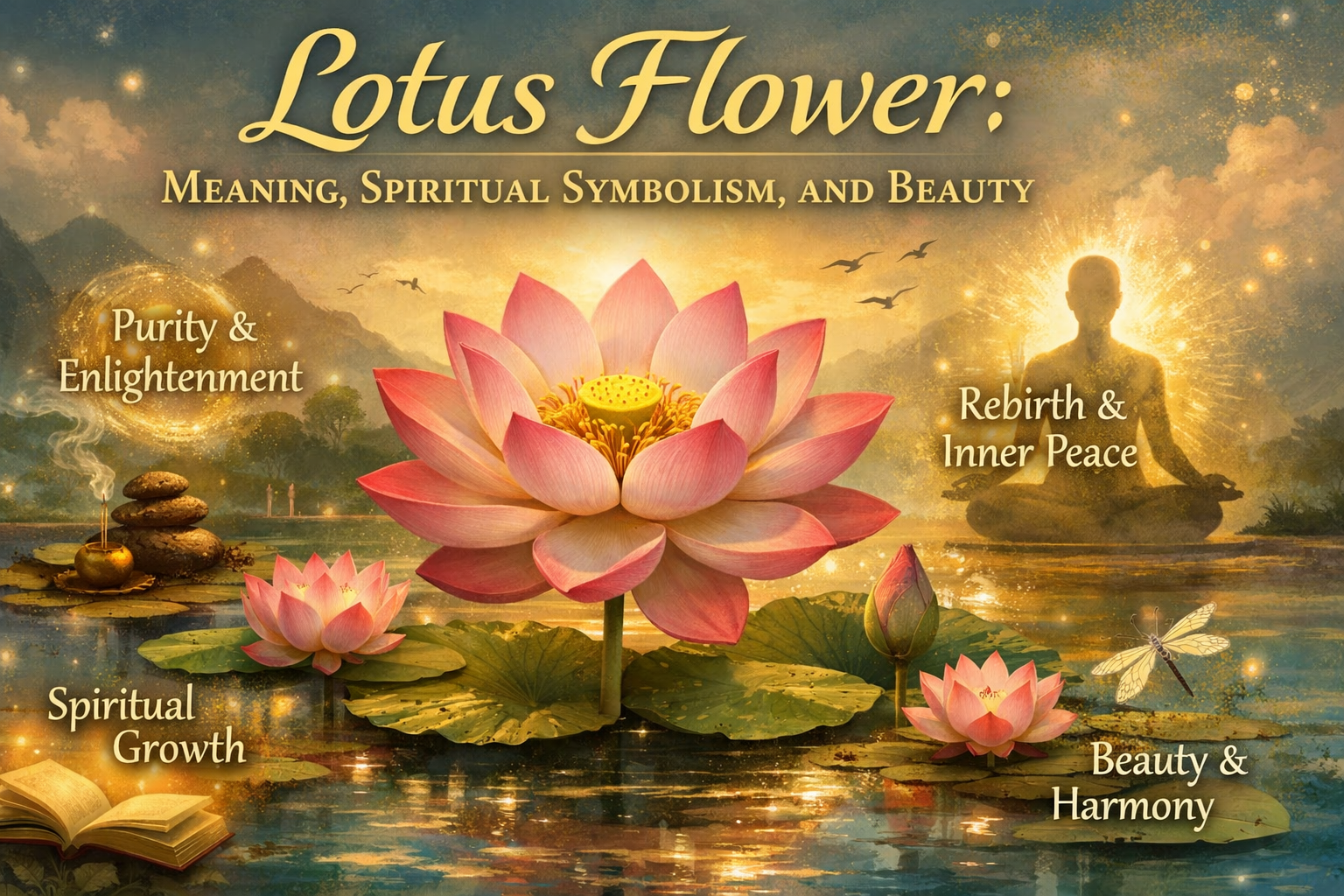
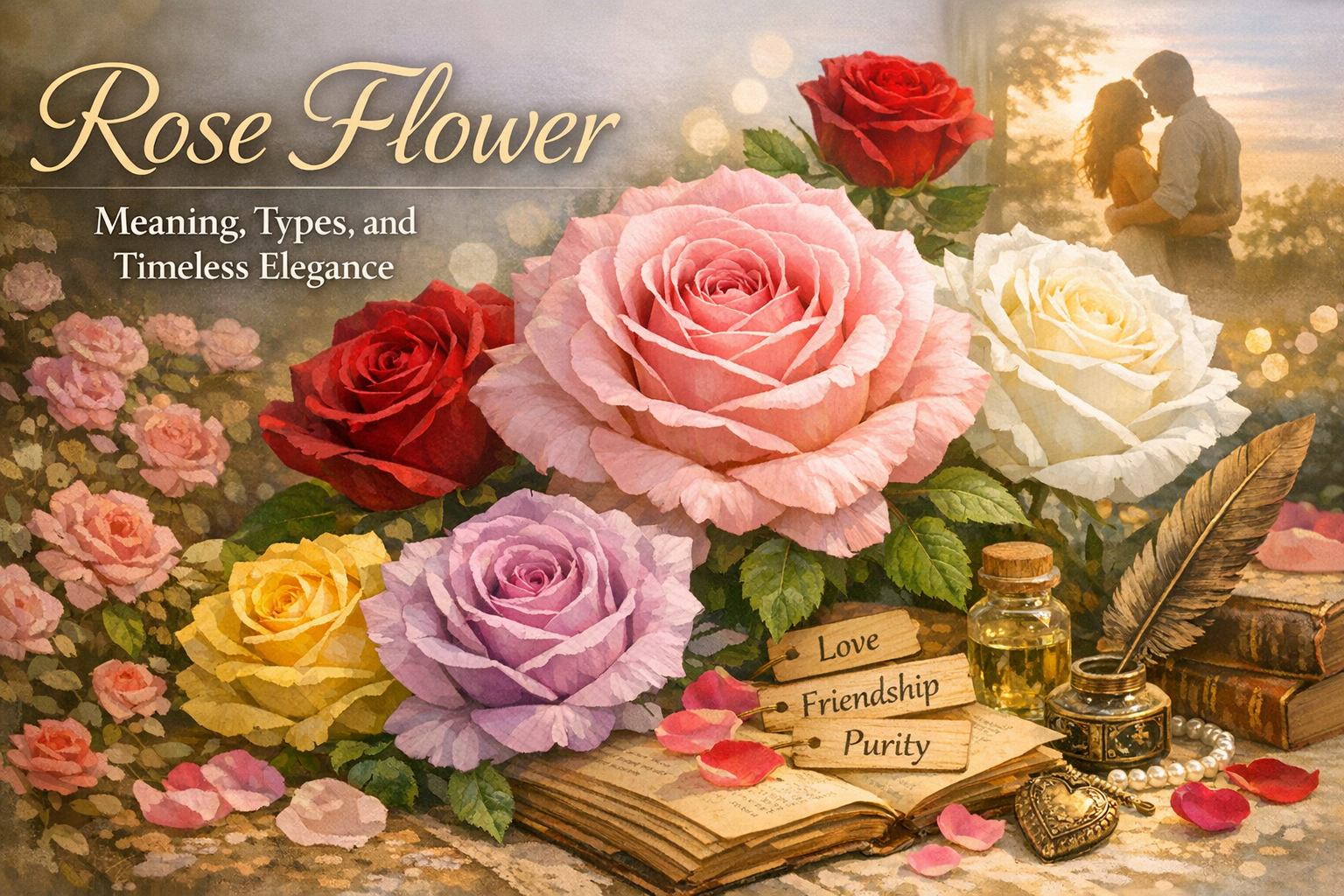
Each of these flowers has a unique appearance and cultural meaning. For example, roses symbolize love and passion, while lotus flowers represent purity and spiritual growth.
Types of Flowers
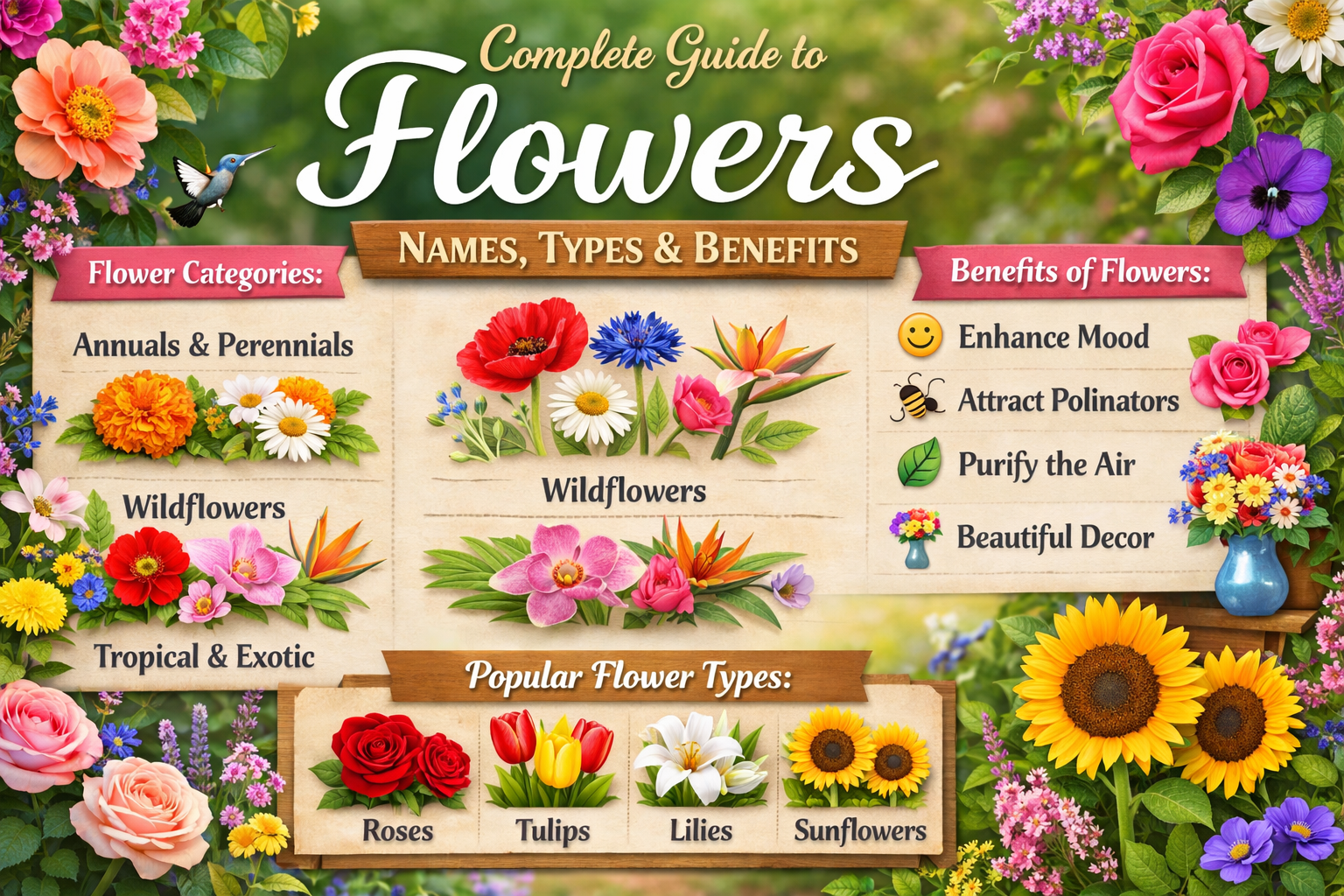
Flowers can be classified in different ways based on their life cycle, structure, and growth habits. Understanding flower types helps gardeners and flower lovers choose the right plants for their needs.
1. Based on Life Cycle
Annual Flowers
These flowers complete their life cycle within one growing season. They bloom quickly and provide vibrant colors.
Examples: Petunia, Zinnia, Marigold
Biennial Flowers
These plants take two years to complete their life cycle. They grow leaves in the first year and flower in the second.
Examples: Foxglove, Sweet William
Perennial Flowers
Perennials live for more than two years and bloom seasonally once established.
Examples: Rose, Lily, Orchid
2. Based on Structure
Single Flowers
These flowers have a single bloom on one stem.
Examples: Tulip, Poppy
Cluster Flowers
Multiple small flowers grow together to form a cluster.
Examples: Hydrangea, Ixora
3. Based on Growth Habit
Wildflowers
These grow naturally without human intervention and support local ecosystems.
Examples: Bluebell, Dandelion
Garden Flowers
Cultivated flowers grown for decoration and landscaping.
Examples: Rose, Petunia
Aquatic Flowers
Flowers that grow in water or wetlands.
Examples: Lotus, Water Lily
Benefits of Flowers
Flowers are more than just decorative elements. They offer physical, emotional, environmental, and economic benefits.
1. Emotional and Mental Health Benefits
Flowers have a positive impact on mood and mental well-being. Their colors and fragrances can reduce stress, anxiety, and depression. Studies suggest that having flowers at home or work can improve happiness and productivity. Aromatic flowers like lavender and jasmine are widely used in relaxation and meditation practices.
2. Health and Medicinal Benefits
Many flowers have medicinal properties and are used in traditional and modern medicine.
- Chamomile helps with sleep and digestion
- Hibiscus supports heart health and lowers blood pressure
- Calendula aids in skin healing
- Lotus is used in herbal remedies for digestion and stress
Flower extracts and essential oils are also key ingredients in aromatherapy and skincare products.
3. Environmental Benefits
Flowers play a crucial role in maintaining ecological balance.
- Support pollinators like bees and butterflies
- Improve air quality
- Prevent soil erosion
- Contribute to biodiversity
Planting native flowers in gardens helps protect local wildlife and promotes sustainable ecosystems.
4. Cultural and Spiritual Benefits
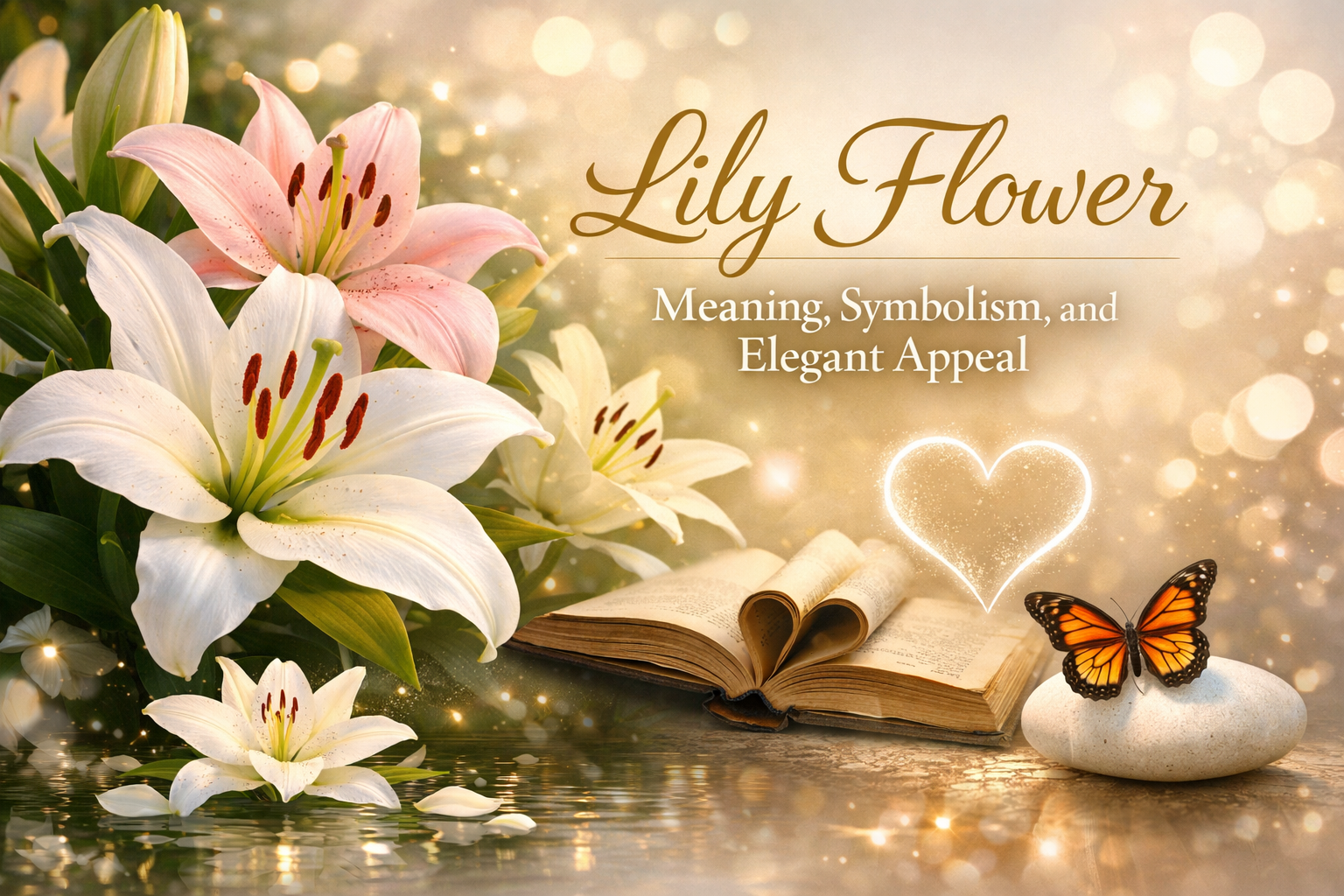
Flowers are deeply rooted in cultural and religious traditions worldwide. They are used in weddings, festivals, prayers, and rituals. For example, marigolds are common in festivals, while lilies are associated with purity and remembrance. Flowers also serve as symbols of respect, love, gratitude, and celebration.
5. Economic Benefits
The flower industry provides employment to millions of people globally. Floriculture supports farmers, exporters, florists, and designers. Flowers are used in events, hospitality, cosmetics, perfumes, and wellness industries, making them economically valuable.
Uses of Flowers in Daily Life
- Home and garden decoration
- Gifts and special occasions
- Perfumes and cosmetics
- Herbal teas and medicines
- Religious and cultural ceremonies
From a simple bouquet to large-scale landscaping, flowers enhance both personal and public spaces.
How to Choose the Right Flowers
When selecting flowers, consider:
- Climate and soil conditions
- Purpose (decoration, fragrance, health)
- Maintenance level
- Seasonal availability
Choosing the right flowers ensures long-lasting beauty and better results, whether for a garden or indoor arrangement.
Conclusion
Flowers are an integral part of nature and human life. With their diverse names, types, and benefits, they bring beauty, health, and balance to our surroundings. Whether you grow them in a garden, use them for decoration, or enjoy their medicinal properties, flowers enrich life in countless ways. Understanding flowers helps us appreciate their value and encourages us to protect and cultivate them for future generations.