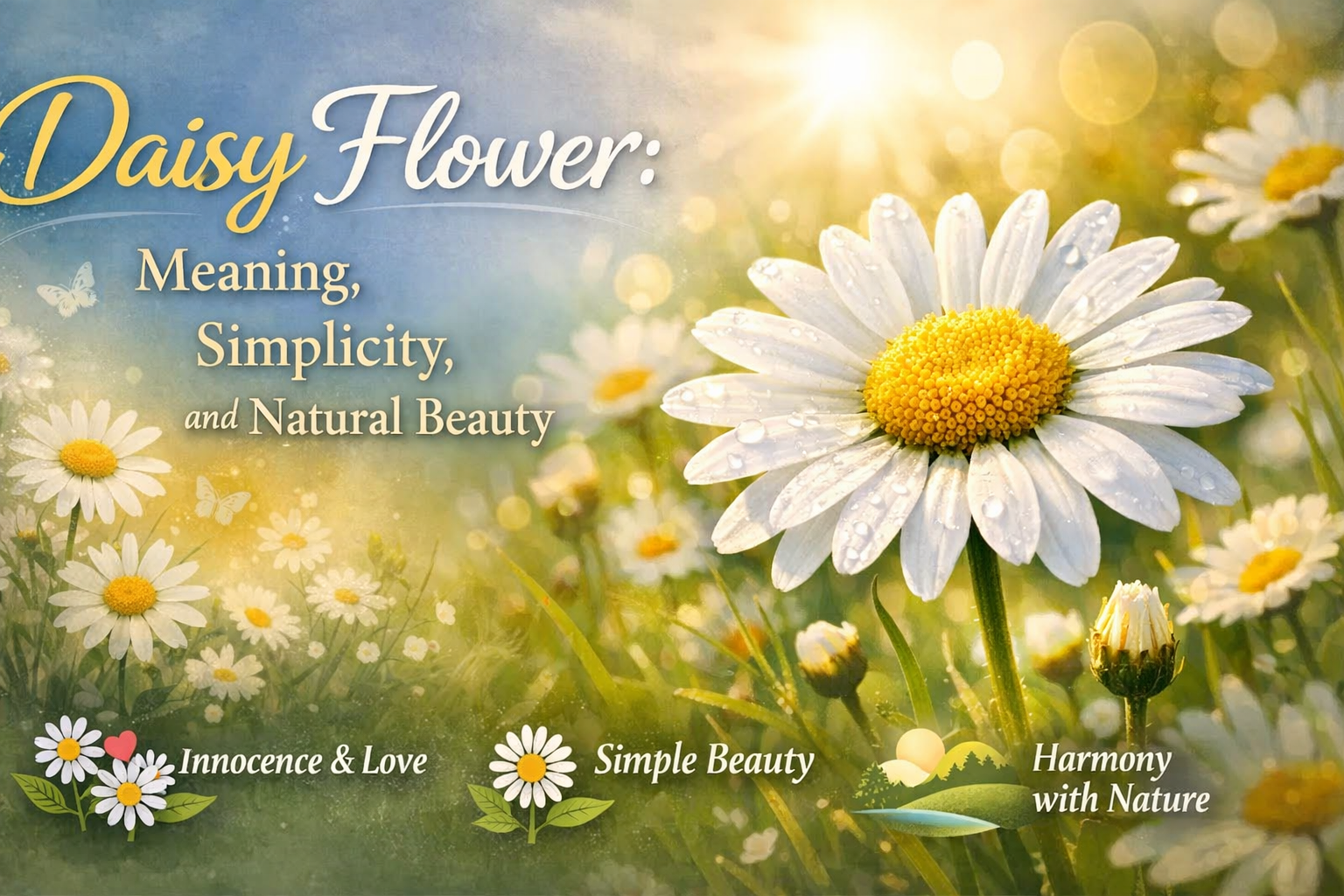
The daisy flower is one of nature’s simplest yet most charming blooms. Its delicate petals, vibrant colors, and symbolic meanings have captivated humans for centuries. Celebrated in art, literature, and gardens worldwide, the daisy represents purity, innocence, and natural beauty. In this article, we will explore the rich symbolism, history, types, care tips, and unique qualities that make daisies a beloved flower across cultures.
The Meaning and Symbolism of Daisy Flowers
Daisies have long been associated with innocence and purity, often representing a fresh start or a clean slate. In many cultures, daisies are linked to childhood, simplicity, and gentle love. This symbolism stems from their unpretentious appearance—daisies are not overly ornate, yet they exude charm and grace.
In romantic symbolism, daisies are sometimes used to express loyalty and love that is honest and true. The classic white daisy with a yellow center often conveys messages of cheerfulness, optimism, and positivity. According to folklore, the act of “daisy chaining” flowers was a symbol of enduring love and friendship.
Daisies also have spiritual significance. In some traditions, they are considered a sign of new beginnings and hope, making them popular in bouquets for births, weddings, and personal milestones. Their ability to thrive in various environments adds to their association with resilience and perseverance.
A Brief History of Daisy Flowers
Daisies belong to the Asteraceae family, which includes sunflowers, chrysanthemums, and asters. The word “daisy” is derived from the Old English term “dægesege,” meaning “day’s eye,” because the flower opens at dawn and closes at dusk.
Historically, daisies have been cultivated not only for their beauty but also for their medicinal properties. Ancient Romans and Egyptians used daisies in herbal remedies to treat wounds, inflammation, and digestive issues. Over time, the daisy became a symbol of innocence in art and literature, appearing in paintings, poetry, and decorative designs throughout Europe.
Popular Types of Daisy Flowers
There are many varieties of daisies, each with unique features and colors:
- Shasta Daisy (Leucanthemum × superbum) – Characterized by its large white petals and yellow center, this daisy is a garden favorite due to its hardiness and longevity.
- Oxeye Daisy (Leucanthemum vulgare) – A wildflower commonly found in meadows, known for its simple elegance and ability to attract pollinators.
- Gerbera Daisy (Gerbera jamesonii) – Vibrant and colorful, gerbera daisies are popular in bouquets and decorations. They come in shades of red, orange, pink, yellow, and white.
- African Daisy (Osteospermum) – Native to South Africa, these daisies are known for their striking colors and unique petal shapes.
- Bellis Perennis (Common Daisy) – Small and charming, this daisy is often seen in lawns and gardens, symbolizing childhood and innocence.
Each type of daisy has its own unique charm, but all share the signature circular shape and bright appearance that make them instantly recognizable.
Growing and Caring for Daisies
Daisies are relatively easy to grow, which adds to their popularity in gardens and landscapes. Here are some essential tips for caring for daisies:
- Sunlight: Daisies thrive in full sunlight. A minimum of six hours of direct sunlight per day ensures healthy blooms.
- Soil: Well-drained soil is crucial. Daisies prefer slightly acidic to neutral soil with good organic content.
- Watering: Moderate watering is ideal. Overwatering can cause root rot, while under-watering may stunt growth.
- Fertilizing: Light fertilization in the growing season promotes vibrant blooms. Organic compost or a balanced fertilizer works best.
- Pruning: Deadheading spent flowers encourages more blooms and keeps the plant tidy.
With minimal effort, daisies can brighten gardens, balconies, and indoor spaces, making them a favorite for both novice and experienced gardeners.
Daisies in Culture and Art
Daisies have left a lasting imprint in art, literature, and pop culture. They are often used to symbolize simplicity and natural beauty in paintings, embroidery, and floral arrangements. Many poets and writers have drawn inspiration from daisies, using them as metaphors for purity, joy, and fleeting beauty.
In modern times, daisies are a staple in weddings and celebrations. White daisies symbolize innocence and new beginnings, while colorful varieties like gerbera daisies add vibrancy and cheer to festive arrangements.
Health Benefits and Uses
Beyond their aesthetic appeal, daisies have practical uses. Traditional medicine has long recognized their anti-inflammatory and soothing properties. Daisies have been used in herbal teas, salves, and natural remedies for minor skin ailments and digestive issues. While they are not a substitute for modern medicine, they highlight the daisy’s versatility and value in natural health practices.
Why Daisies Are Special
What makes daisies truly special is their combination of simplicity and charm. Their unassuming beauty reminds us to find joy in everyday moments and appreciate nature’s small wonders. Daisies are not just flowers—they are symbols of hope, friendship, and the timeless elegance of natural simplicity.
Whether in a wild meadow, a manicured garden, or a handcrafted bouquet, daisies continue to inspire and uplift. They remind us that beauty does not need to be extravagant to leave a lasting impression. Their cheerful appearance, symbolic meanings, and adaptability make them an enduring favorite among flower enthusiasts worldwide.
Conclusion
The daisy flower embodies simplicity, natural beauty, and profound symbolism. From representing innocence and purity to symbolizing hope and resilience, daisies are more than just visually appealing flowers—they are emblems of positive emotions and life’s simple joys. Their versatility, ease of care, and cultural significance make them an essential part of gardens, art, and human expression. Whether you are gifting a bouquet, decorating a space, or simply enjoying nature, daisies offer a timeless charm that continues to captivate hearts around the world.