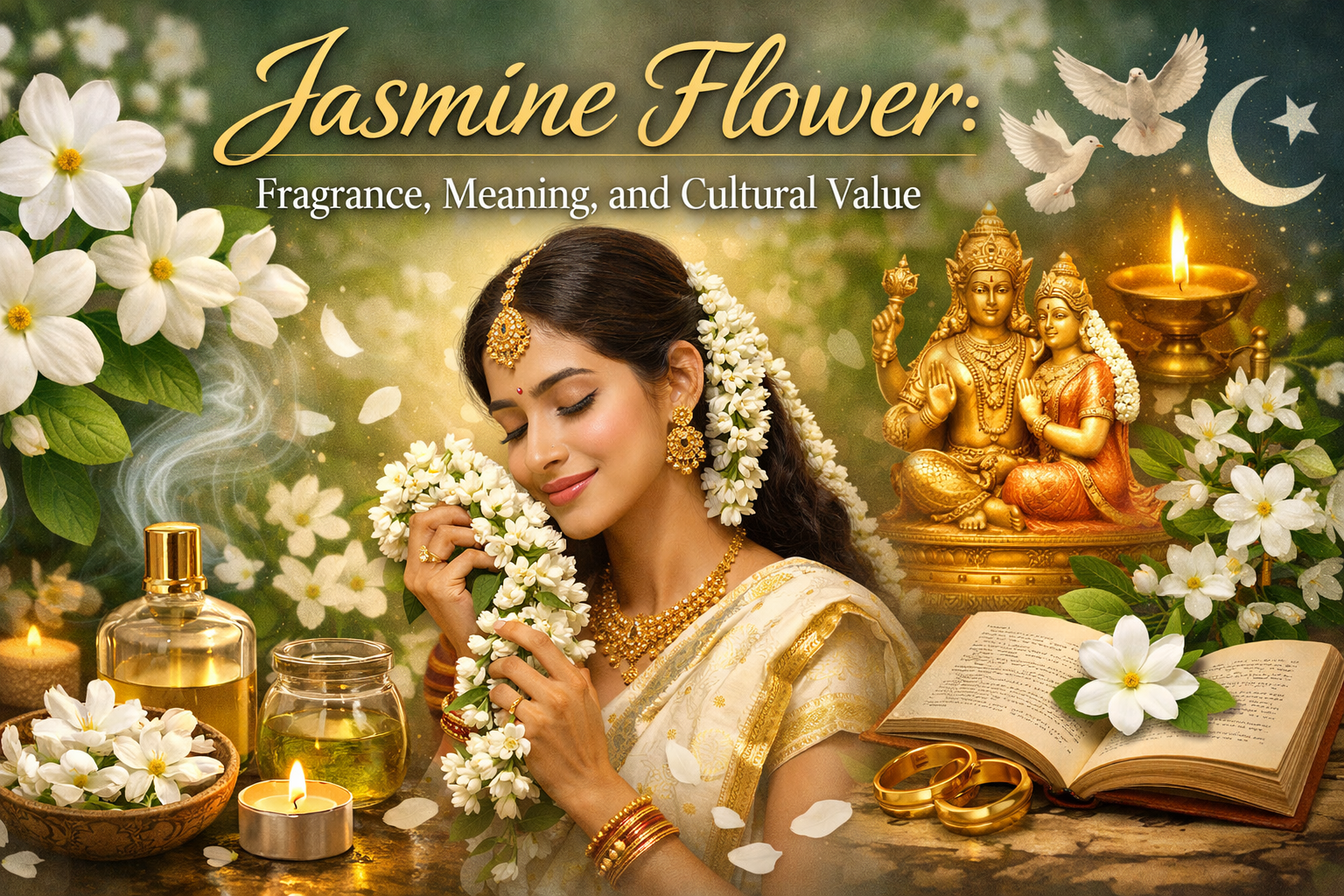
The jasmine flower, often called the “Queen of Night,” has captured the hearts of people worldwide with its delicate beauty and enchanting fragrance. Known for its elegant white blossoms and sweet aroma, jasmine is more than just a decorative plant; it holds deep cultural, symbolic, and therapeutic significance across different regions. This article explores the fragrance, meaning, and cultural value of the jasmine flower, highlighting why it remains one of the most cherished flowers globally.
The Fragrance of Jasmine
Jasmine is renowned for its intoxicating fragrance, which is often described as sweet, exotic, and deeply soothing. The aroma of jasmine is most potent during the evening and night, earning it the nickname “Queen of Night.” This fragrance is not only pleasing to the senses but also widely used in perfumery and aromatherapy.
Jasmine essential oil, extracted from its flowers, is a key ingredient in many high-end perfumes. Its calming scent is believed to reduce stress, anxiety, and even mild depression. Aromatherapists recommend jasmine oil for relaxation, meditation, and improving sleep quality. Additionally, jasmine’s fragrance is known to enhance mood and boost feelings of confidence and positivity.
Symbolic Meaning of Jasmine
The jasmine flower carries a wealth of symbolic meanings, which vary depending on culture and context. Some of the most common interpretations include:
- Purity and Innocence: The pristine white color of jasmine flowers is often associated with purity, innocence, and simplicity. It is commonly used in religious ceremonies and weddings to symbolize new beginnings and sacredness.
- Love and Romance: In many cultures, jasmine represents love, sensuality, and attraction. It is often given as a gift to express affection and devotion.
- Spirituality and Protection: Jasmine is frequently used in spiritual practices for its protective qualities. It is believed to ward off negative energies and bring harmony to the home.
- Elegance and Beauty: The delicate and graceful appearance of jasmine flowers symbolizes elegance and refinement, making it a favorite choice for ornamental gardens and floral arrangements.
Cultural Significance of Jasmine
Jasmine holds significant cultural value in many parts of the world, particularly in Asia and the Middle East. Its presence is woven into traditions, celebrations, and rituals.
- India: Jasmine, known as “Mogra,” plays a crucial role in Indian culture. It is used in weddings, religious ceremonies, and festivals. Women often wear jasmine garlands in their hair as a symbol of beauty and grace. Jasmine is also a common offering in temples.
- China: In Chinese culture, jasmine symbolizes purity, deep affection, and feminine sweetness. Jasmine tea, made from jasmine flowers, is a traditional beverage that carries both cultural and health significance.
- Middle East: Jasmine flowers are integral to Middle Eastern gardens and perfumery. They are associated with love, sensuality, and spiritual devotion. Jasmine oil is widely used in traditional medicine and cosmetics.
- Southeast Asia: In countries like the Philippines and Indonesia, jasmine represents simplicity, elegance, and devotion. It is often used in weddings and religious rituals. In the Philippines, the jasmine flower, locally known as “Sampaguita,” is the national flower and a symbol of purity and honor.
Health Benefits of Jasmine
Beyond its aesthetic and cultural appeal, jasmine offers several health benefits. Its essential oil and teas have been used in traditional medicine for centuries:
- Stress Relief: Jasmine’s aroma has a calming effect on the nervous system, helping reduce anxiety and promote relaxation.
- Skin Care: Jasmine oil is often used in skincare products for its moisturizing and antiseptic properties. It can help soothe dry or irritated skin.
- Respiratory Health: Inhaling jasmine essential oil may alleviate symptoms of colds, coughs, and respiratory issues due to its antibacterial properties.
- Heart Health: Jasmine tea is rich in antioxidants, which can improve cardiovascular health and boost overall immunity.
Growing and Caring for Jasmine
Jasmine plants are relatively easy to cultivate and thrive in sunny locations with well-draining soil. They can be grown as climbing vines, shrubs, or small trees, making them versatile for gardens, patios, and indoor spaces. Regular pruning encourages flowering, while proper watering ensures healthy growth. The sight of jasmine in full bloom combined with its fragrance can transform any space into a serene and enchanting environment.
Jasmine in Art and Literature
Jasmine has inspired artists, poets, and writers for centuries. Its delicate flowers and heavenly scent are often depicted in paintings, poems, and folklore. Jasmine symbolizes emotions ranging from romantic love to spiritual devotion, making it a timeless muse for creative expression.
Conclusion
The jasmine flower is more than just a beautiful plant; it is a symbol of love, purity, and cultural heritage. Its captivating fragrance, symbolic meanings, and wide-ranging cultural significance have made it a beloved flower worldwide. Whether used in gardens, perfumes, teas, or spiritual rituals, jasmine continues to charm and inspire people, standing as a timeless emblem of elegance and grace.