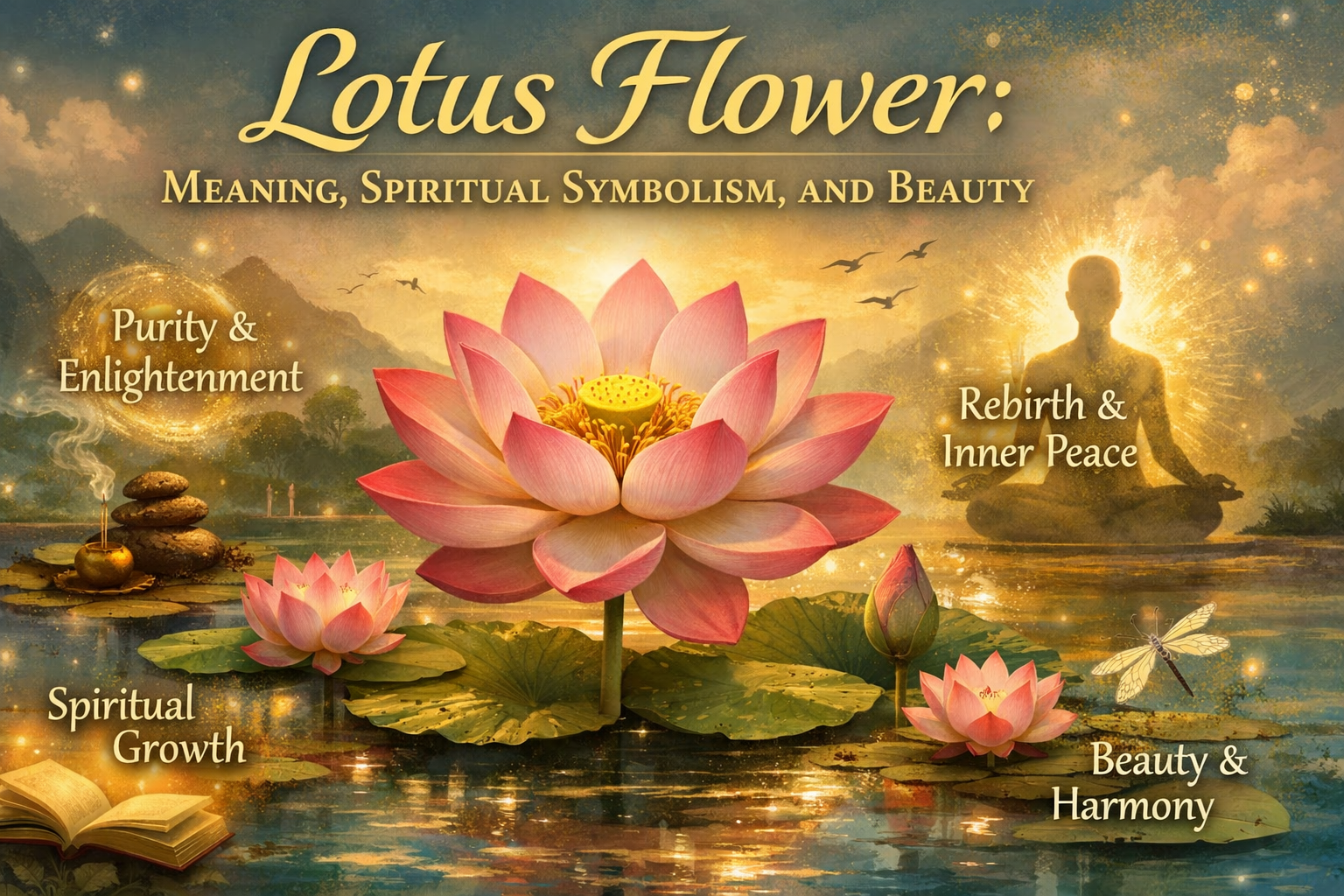
The lotus flower is one of the most revered and visually captivating flowers in the world. Celebrated for its elegance and spiritual significance, the lotus has inspired art, religion, and culture for thousands of years. Its journey from muddy waters to a radiant bloom symbolizes purity, resilience, and enlightenment. In this article, we will explore the meaning, spiritual symbolism, and timeless beauty of the lotus flower.
The Meaning of the Lotus Flower
The lotus flower is unique because it thrives in muddy waters, yet emerges pristine and beautiful. This striking contrast has made it a universal symbol of purity and rebirth. In various cultures, the lotus embodies different interpretations:
- Purity: The lotus remains untainted despite growing in murky waters, representing moral, physical, and spiritual purity.
- Rebirth and Renewal: Since the lotus closes its petals at night and opens them with the sunlight, it symbolizes new beginnings, cycles of life, and personal growth.
- Resilience: Its ability to grow in difficult conditions makes it a metaphor for overcoming challenges and rising above adversity.
The lotus flower is not just admired for its meaning but also for its aesthetic appeal. With its delicate petals and symmetrical shape, it represents balance, harmony, and natural elegance.
Spiritual Symbolism of the Lotus Flower
The lotus flower holds deep spiritual significance in many religions and philosophies, particularly in Eastern traditions. Its symbolism often relates to enlightenment, transformation, and inner awakening.
1. Hinduism
In Hinduism, the lotus flower is associated with several deities, including Vishnu, Lakshmi, and Saraswati. It symbolizes divine beauty, purity, prosperity, and spiritual power. The lotus represents the unfolding of the soul, spiritual awakening, and the journey towards enlightenment.
2. Buddhism
Buddhism places great emphasis on the lotus as a symbol of spiritual growth and enlightenment. A lotus emerging from muddy waters mirrors the journey of a human soul rising above material desires and ignorance. Different colored lotus flowers carry distinct meanings in Buddhism:
- White Lotus: Purity of mind and spiritual perfection.
- Pink Lotus: The historical Buddha and divine love.
- Blue Lotus: Wisdom, knowledge, and mental clarity.
- Red Lotus: Compassion, love, and passion.
3. Ancient Egyptian Culture
In Ancient Egypt, the lotus was a symbol of the sun, creation, and rebirth. It was believed that the lotus flower closed at night and sank underwater, only to rise and open again with the morning sun, representing resurrection and eternal life.
4. Other Spiritual Interpretations
Beyond religion, the lotus flower is often seen as a metaphor for personal growth and transformation. It reminds individuals that challenges and difficult circumstances can lead to inner strength, beauty, and spiritual enlightenment.
The Beauty of the Lotus Flower
The lotus flower is celebrated not only for its symbolism but also for its exquisite beauty. Its petals display a range of colors, including white, pink, red, blue, and purple, each with a unique significance. The flower’s symmetry, soft texture, and elegant fragrance make it a popular subject in art, gardens, and decorative motifs.
- Visual Appeal: Lotus flowers are often admired for their perfectly layered petals and radiant hues. They are frequently depicted in paintings, sculptures, and textile designs.
- Cultural Beauty: Lotus motifs appear in architecture, jewelry, and traditional attire, representing elegance, harmony, and sophistication.
- Natural Elegance: In water gardens and ponds, lotus flowers create serene and tranquil settings, symbolizing peace and spiritual calmness.
Lotus in Daily Life
The lotus flower’s significance extends beyond spiritual and cultural realms into daily life. It is used in meditation, yoga practices, and holistic therapies to promote mindfulness, relaxation, and spiritual awareness. Lotus extracts are also popular in skincare and wellness products, valued for their antioxidant and soothing properties.
In homes and gardens, the lotus adds both visual charm and symbolic meaning. A lotus pond can transform a garden into a place of peace and reflection, serving as a reminder of resilience, purity, and personal growth.
Conclusion
The lotus flower is much more than a beautiful bloom; it is a powerful symbol of purity, spiritual growth, and transformation. From its revered status in Hinduism and Buddhism to its representation in art and culture, the lotus continues to inspire individuals worldwide. Its journey from muddy waters to a radiant blossom reminds us that beauty, enlightenment, and inner strength can emerge from life’s most challenging circumstances. Embracing the symbolism and elegance of the lotus flower allows us to connect with deeper spiritual meanings while appreciating its natural charm.