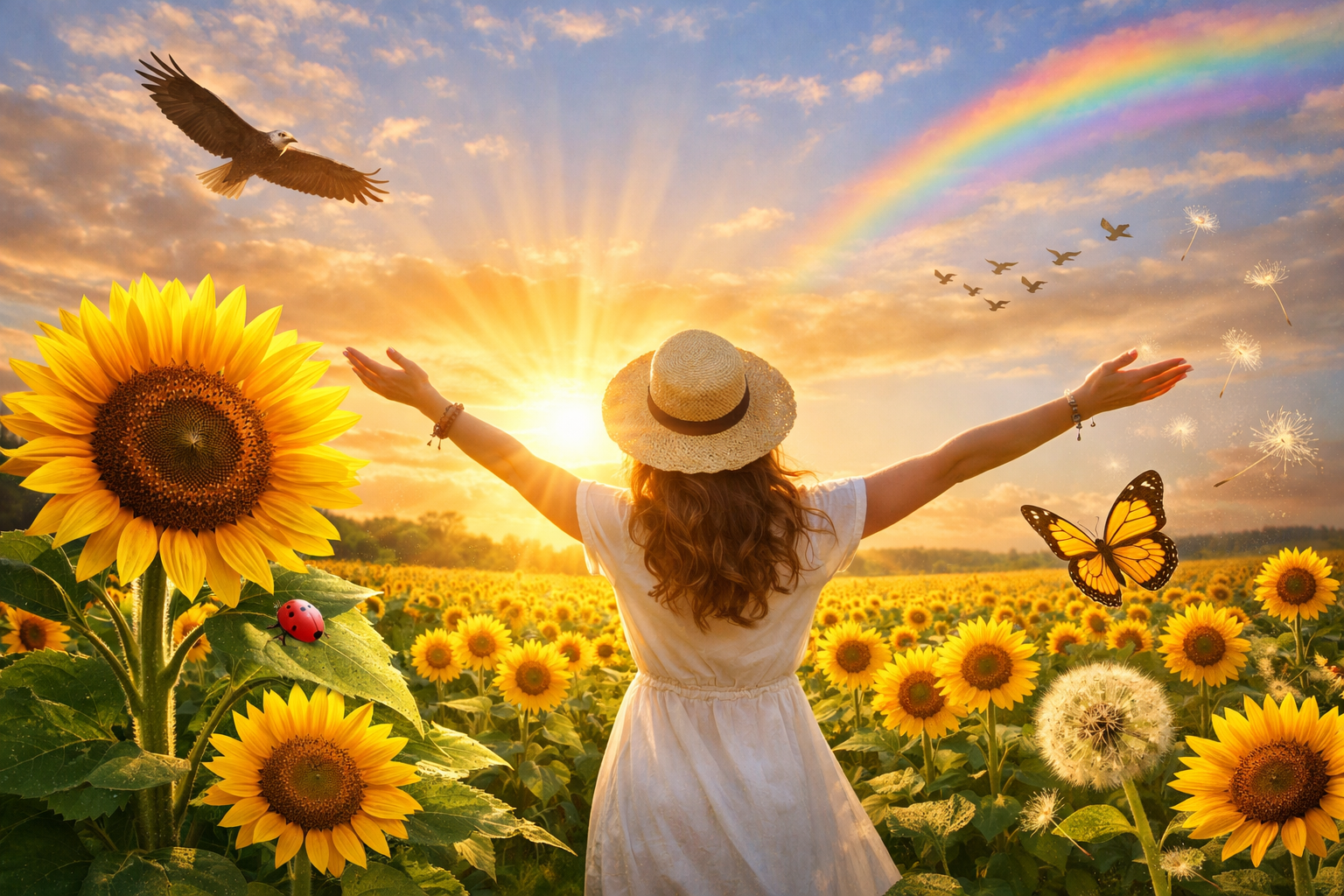
Sunflowers are among the most instantly recognizable flowers in the world. With their bright yellow petals and tall, confident stems, they naturally draw attention and admiration. Beyond their visual beauty, sunflowers carry deep symbolic meanings that span cultures, history, art, and modern life. Often associated with positivity, strength, and joy, the sunflower has become a powerful symbol of hope, resilience, and optimism. This article explores the rich symbolism of sunflowers and why they continue to inspire people across generations.
The Sunflower and Positivity
One of the strongest symbolic meanings of the sunflower is positivity. The flower’s vibrant yellow color is closely associated with sunlight, warmth, and happiness. Yellow has long been considered the color of cheerfulness and energy, and sunflowers embody this association perfectly.
Sunflowers are known for their unique behavior called heliotropism, where young sunflower heads turn to follow the sun from east to west throughout the day. This natural tendency has made the sunflower a universal symbol of optimism and a positive outlook on life. Just as the flower seeks the sun, people often use sunflowers to represent choosing light over darkness and focusing on hope even during difficult times.
Because of this symbolism, sunflowers are frequently gifted to express encouragement, support, and good wishes. They are commonly used in celebrations, motivational imagery, and wellness spaces to promote positivity and emotional well-being.
Strength and Resilience in Sunflower Symbolism
Sunflowers are not only beautiful but also remarkably strong. They grow tall and sturdy, often reaching impressive heights while standing firmly rooted in the ground. This physical strength has translated into symbolic meaning, making sunflowers a representation of resilience, endurance, and inner power.
Despite facing harsh weather conditions such as strong winds, heavy rain, and intense heat, sunflowers continue to grow upright. This ability to thrive in challenging environments symbolizes perseverance and the strength to overcome obstacles. For this reason, sunflowers are often associated with personal growth, recovery, and the courage to move forward after adversity.
In many cultures, the sunflower is seen as a reminder to stay strong during tough times and trust in one’s ability to endure and rise above difficulties. It represents emotional stability, self-confidence, and the power of standing tall even when circumstances are uncertain.
Joy and Happiness Represented by Sunflowers
Joy is another core element of sunflower symbolism. The large, open face of a sunflower often resembles a smiling sun, evoking feelings of warmth and delight. Their presence alone can uplift moods and create a sense of happiness in any environment.
Sunflowers bloom during summer, a season commonly linked with abundance, growth, and celebration. This seasonal connection reinforces their symbolic association with joy, vitality, and life energy. They remind people to appreciate simple pleasures, celebrate the present moment, and find happiness in everyday experiences.
Because of their joyful symbolism, sunflowers are popular in home décor, gardens, and artwork. They are often used to create spaces that feel welcoming, lively, and emotionally uplifting.
Cultural and Historical Significance of Sunflowers
Sunflowers hold meaningful symbolism across different cultures and historical periods. In ancient civilizations of the Americas, sunflowers were revered as symbols of the sun and were associated with life, fertility, and nourishment. They were often used in rituals and artistic representations to honor the sun’s life-giving power.
In Chinese culture, sunflowers symbolize long life, good fortune, and vitality. Their strong connection to the sun represents spiritual faith and loyalty. In European traditions, sunflowers have been linked to admiration, devotion, and constancy, reflecting the flower’s tendency to follow the sun faithfully.
In modern times, sunflowers have also become symbols of peace, environmental awareness, and hope. They are frequently used in movements promoting positivity, mental health awareness, and emotional healing.
Sunflowers in Art and Literature
Sunflowers have inspired artists, writers, and poets for centuries. One of the most famous examples is Vincent van Gogh’s sunflower paintings, which symbolize passion, creativity, and emotional intensity. Through art, sunflowers have come to represent artistic expression, individuality, and the beauty of imperfection.
In literature, sunflowers often symbolize hope, loyalty, and the pursuit of light and truth. Writers use sunflowers as metaphors for characters who remain optimistic, resilient, or emotionally strong despite challenges.
These artistic and literary representations have further strengthened the sunflower’s image as a symbol of positivity, strength, and joy.
Spiritual Meaning of Sunflowers
Spiritually, sunflowers are associated with enlightenment, faith, and spiritual growth. Their upward-facing posture and connection to the sun symbolize alignment with higher purpose and inner truth. Many people view sunflowers as reminders to stay connected to one’s values and to seek clarity and meaning in life.
Sunflowers are also linked to gratitude and abundance. Their large seed-filled centers represent prosperity, generosity, and the rewards of patience and hard work. This makes them powerful symbols in spiritual practices focused on mindfulness, gratitude, and personal transformation.
Modern Symbolism and Everyday Use
Today, sunflowers continue to hold strong symbolic value in everyday life. They are widely used in branding, fashion, social media, and wellness industries to convey positivity and confidence. Sunflower imagery is often associated with self-love, mental strength, and happiness.
In gifting, sunflowers are chosen to express admiration, encouragement, and unconditional support. They are also popular in motivational content, reminding people to “turn toward the light” and remain hopeful.
Conclusion
Sunflower symbolism is deeply rooted in positivity, strength, and joy. From their sun-following nature to their strong, upright growth, sunflowers represent optimism, resilience, and happiness across cultures and generations. Whether admired in nature, gifted to loved ones, or used as a symbol of personal growth, sunflowers remind us to stay hopeful, stand strong, and embrace joy in our lives. Their timeless symbolism continues to inspire people to seek light, remain resilient, and celebrate life’s beauty.