Flowers have captivated human hearts for centuries. From ancient civilizations to modern lifestyles, flowers remain powerful symbols of beauty, emotion, and connection with nature. Their colors, fragrances, and delicate forms transcend cultures and time, making them an essential part of celebrations, rituals, art, and daily life. This complete guide explores the timeless beauty of flowers and explains how floral elegance continues to inspire people around the world.
The Universal Appeal of Flowers
Flowers possess a universal language that speaks without words. A single bloom can express love, sympathy, joy, gratitude, or hope. This emotional connection is one reason flowers never lose their charm. Regardless of trends or technology, people still turn to flowers to mark important moments such as weddings, birthdays, anniversaries, and memorials.
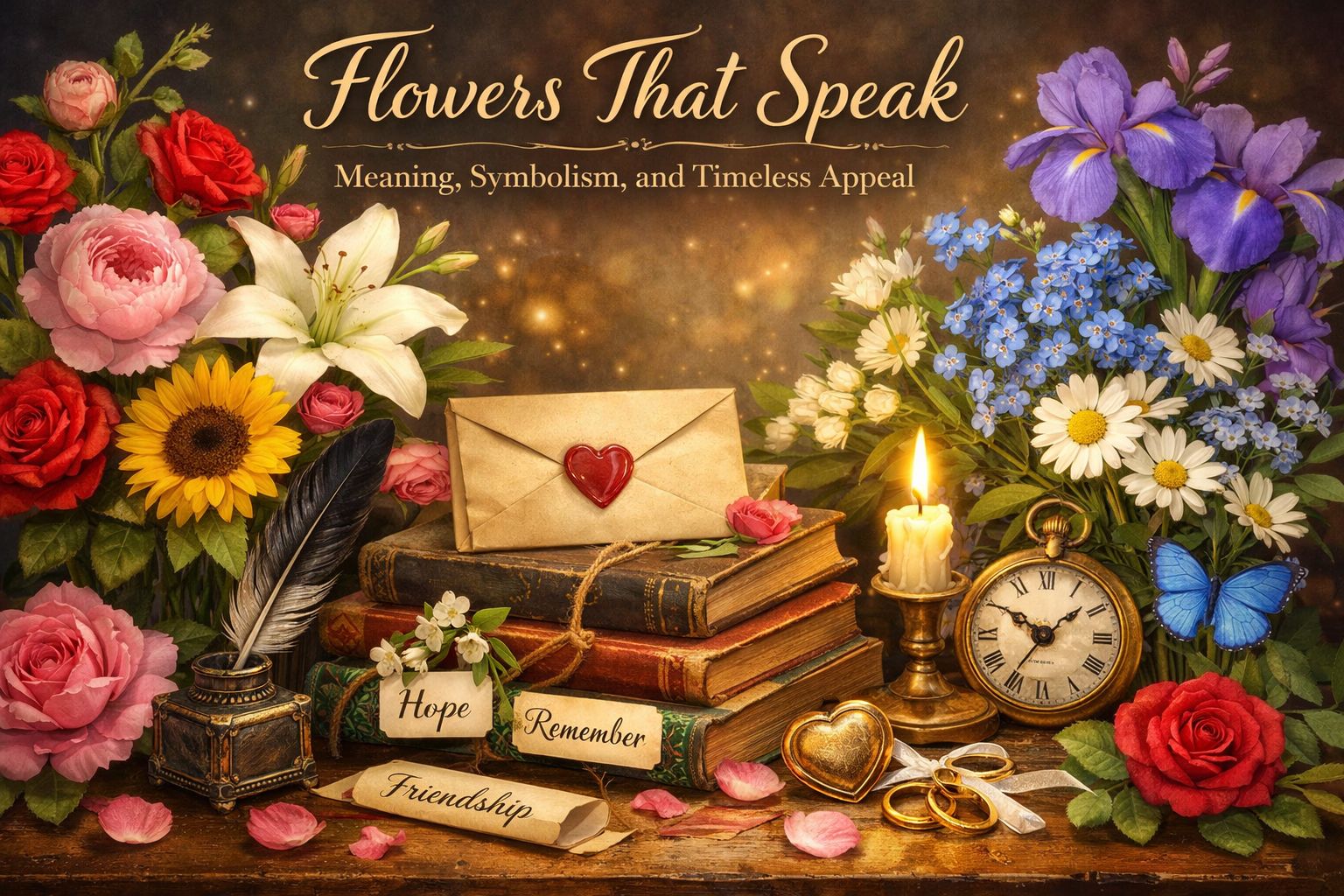
Across cultures, flowers hold unique meanings. Roses often symbolize love and romance, lilies represent purity and peace, lotuses stand for spiritual enlightenment, and sunflowers reflect positivity and strength. These symbolic associations add depth to floral beauty, making flowers more than just decorative elements.
Floral Elegance in Nature
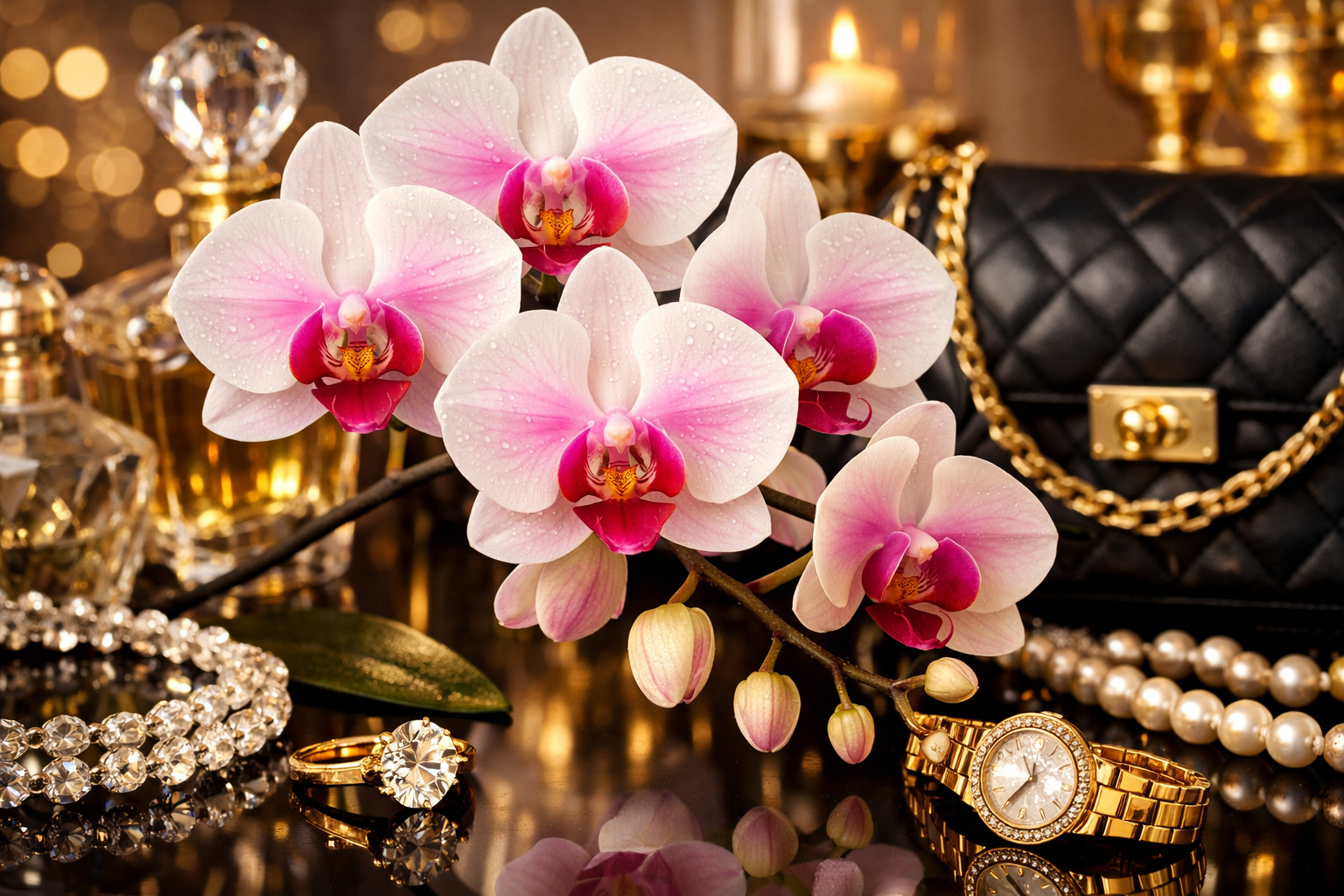
In their natural environment, flowers enhance the beauty of landscapes and ecosystems. Wildflowers covering meadows, cherry blossoms blooming in spring, and orchids thriving in tropical forests create breathtaking scenes. Beyond aesthetics, flowers play a vital role in nature by supporting pollinators like bees, butterflies, and birds.
Floral elegance in nature is defined by balance and harmony. Each flower’s shape, color, and scent are designed to attract pollinators while blending into its surroundings. This natural design inspires artists, designers, and gardeners who seek to recreate similar elegance in human-made spaces.
Flowers in Art, Culture, and History
Throughout history, flowers have been a recurring theme in art and literature. Ancient Egyptian murals, Indian temple carvings, European Renaissance paintings, and Japanese ink art all celebrate floral beauty. Flowers often symbolize life, rebirth, femininity, and the fleeting nature of time.
In literature and poetry, flowers are used as metaphors for emotions and stages of life. Their temporary bloom reminds us of impermanence, while their return each season symbolizes renewal. This timeless connection between flowers and human expression strengthens their cultural significance.
The Role of Flowers in Modern Lifestyle
In modern life, flowers continue to play a meaningful role. Floral décor is widely used in homes, offices, hotels, and events to create welcoming and elegant environments. Fresh flowers improve mood, reduce stress, and bring a sense of calm to indoor spaces.
Flowers are also central to celebrations and personal milestones. Weddings rely heavily on floral arrangements to set the theme and mood. Festivals and religious ceremonies often include flowers as offerings or decorations, reinforcing their spiritual and emotional value.
With the rise of sustainable living, many people are choosing locally grown or seasonal flowers. This shift highlights the growing appreciation for natural beauty and environmental responsibility.
Understanding Floral Design and Elegance
Floral elegance is not just about choosing beautiful flowers; it is about thoughtful arrangement. Professional floral design focuses on balance, proportion, color harmony, and texture. Simple arrangements with a few well-chosen blooms can be just as elegant as elaborate displays.
Color plays a key role in floral aesthetics. Soft pastel shades convey romance and calmness, while bold colors express energy and confidence. Greenery adds freshness and contrast, enhancing the overall look of an arrangement.
Texture is another important element. Combining smooth petals with delicate fillers or structured leaves creates depth and visual interest. This careful combination results in timeless floral designs that never feel outdated.
Flowers and Emotional Well-being
Scientific studies suggest that flowers have a positive impact on emotional well-being. Their presence can reduce anxiety, improve focus, and boost happiness. Gifting flowers strengthens relationships by conveying care and appreciation in a natural and heartfelt way.
In therapeutic settings, flowers are often used to support mental health and relaxation. Gardening and floral arrangement activities provide a sense of purpose and creativity, helping individuals connect with nature and themselves.
Preserving the Beauty of Flowers
While fresh flowers are temporary, their beauty can be preserved in various ways. Drying, pressing, and preserving flowers in resin allow people to keep meaningful blooms for years. These preserved flowers are often used in home décor, jewelry, and keepsakes, extending their emotional value.
Floral-inspired designs also appear in fashion, textiles, and interior décor. Patterns based on flowers bring softness and elegance into everyday products, proving that floral beauty can last beyond the life of a single bloom.
The Future of Floral Elegance
As lifestyles evolve, the appreciation for flowers remains constant. Innovations in sustainable floriculture, eco-friendly packaging, and long-lasting floral varieties are shaping the future of the flower industry. People are becoming more mindful of where flowers come from and how they impact the environment.
Digital platforms and social media have also expanded the reach of floral art. Floral photography, design tutorials, and virtual flower markets allow enthusiasts to explore and celebrate floral elegance globally.
Conclusion
The timeless beauty of flowers lies in their ability to connect nature, culture, and emotion. From ancient traditions to modern design, flowers continue to symbolize elegance, love, and harmony. Their universal appeal, natural grace, and emotional impact ensure that flowers will always hold a special place in human life. Embracing floral elegance means appreciating both their visual beauty and the deeper meanings they carry, making flowers truly timeless.