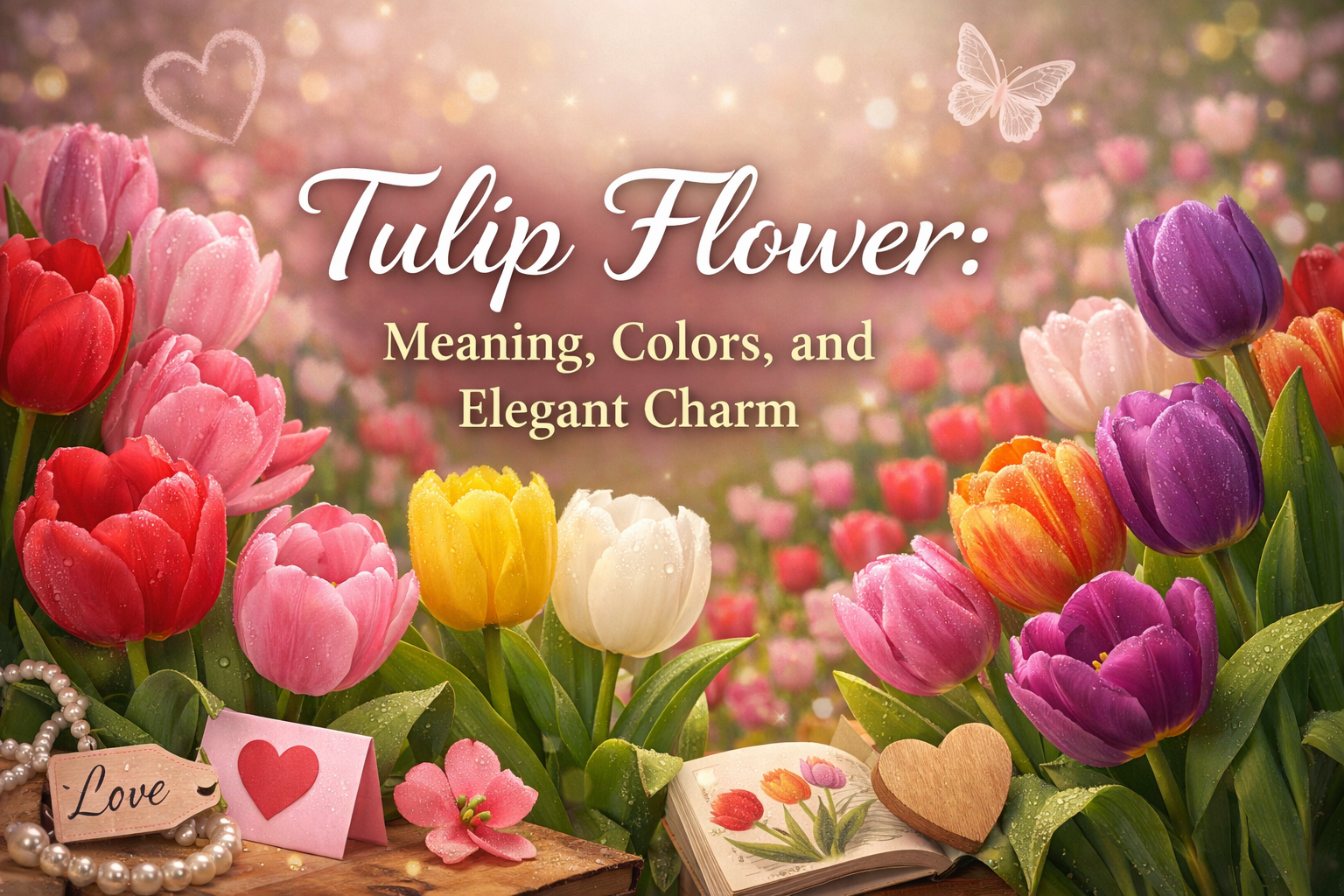
The tulip flower is one of the most beloved and recognizable blooms in the world. Known for its smooth petals, vibrant colors, and graceful shape, the tulip has long been associated with elegance, love, and renewal. From historic gardens of Europe to modern floral arrangements, tulips continue to captivate hearts across cultures. This article explores the meaning of tulip flowers, the symbolism behind different tulip colors, and the timeless charm that makes them so special.
The Meaning and Symbolism of Tulip Flowers
Tulips are widely regarded as a symbol of perfect love. Their simple yet refined appearance represents balance, harmony, and emotional depth. In many cultures, tulips are also associated with new beginnings, making them a popular choice during spring festivals and celebrations.
Historically, tulips gained immense importance during the Ottoman Empire, where they symbolized wealth, power, and paradise. The flower later became a cultural icon in Europe, especially in the Netherlands, where it represented prosperity and artistic beauty. Over time, tulips evolved into a universal symbol of affection, positivity, and grace.
Tulips are often gifted to express heartfelt emotions without overwhelming intensity. Their understated beauty conveys sincerity, making them suitable for romantic gestures, friendly appreciation, and even moments of remembrance.
Tulip Colors and Their Meanings
One of the most fascinating aspects of tulips is their wide range of colors, each carrying its own unique symbolism. Understanding these meanings helps in choosing the right tulip for any occasion.
Red Tulips
Red tulips symbolize true love and deep passion. They are often associated with romance and are a popular alternative to red roses. Gifting red tulips expresses strong emotional commitment and heartfelt affection.
Yellow Tulips
Once associated with jealousy, yellow tulips now symbolize happiness, cheerfulness, and sunshine. They are perfect for spreading joy, celebrating friendships, and brightening someone’s day.
Pink Tulips
Pink tulips represent care, affection, and good wishes. They are gentle and elegant, making them ideal for expressing admiration, gratitude, or best wishes during special moments.
White Tulips
White tulips symbolize purity, peace, and forgiveness. They are often used in formal settings, spiritual ceremonies, or as a sign of respect and remembrance.
Purple Tulips
Purple tulips are associated with royalty, luxury, and elegance. Historically linked to nobility, they are perfect for conveying admiration, success, and sophistication.
Orange Tulips
Orange tulips symbolize energy, enthusiasm, and warmth. They reflect confidence and excitement, making them suitable for motivational occasions or celebrating achievements.
Multicolored and Striped Tulips
These tulips represent beauty, creativity, and admiration. Their unique patterns add visual interest and symbolize individuality and artistic expression.
Cultural and Historical Importance of Tulips
Tulips have a rich cultural history that adds to their charm. Originating in Central Asia, tulips were later cultivated extensively in Turkey. The famous “Tulip Era” in Ottoman history highlighted the flower as a symbol of peace, refinement, and cultural growth.
In Europe, tulips became extremely valuable during the 17th century in a phenomenon known as “Tulip Mania,” where rare bulbs were considered luxury items. Although the craze eventually faded, tulips remained a lasting symbol of elegance and beauty.
Today, tulips are celebrated worldwide through festivals, gardens, and floral art, reinforcing their global appeal and timeless significance.
The Elegant Charm of Tulips
What truly sets tulips apart is their effortless elegance. Their symmetrical shape, smooth petals, and upright stems create a refined appearance that suits both simple and luxurious settings. Tulips look equally stunning in large garden beds and minimalistic bouquets.
Unlike overly complex flowers, tulips embody a quiet sophistication. Their beauty lies in their simplicity, making them a favorite for modern floral designs and home décor. They adapt easily to various styles, from classic arrangements to contemporary aesthetics.
Tulips also symbolize resilience and renewal. Blooming in early spring, they remind us that beauty can emerge after harsh winters, reinforcing themes of hope and fresh starts.
Tulips in Modern Life and Gifting
In modern times, tulips are widely used for gifting, events, and interior decoration. Their versatility allows them to fit into romantic celebrations, corporate settings, weddings, and personal milestones.
Tulips are also associated with emotional balance and positivity. Their calming colors and graceful form make them popular choices for spaces designed to promote relaxation and well-being.
Whether used as a single stem or a vibrant bouquet, tulips communicate emotions in a subtle yet powerful way, making them suitable for nearly every occasion.
Why Tulips Remain Timeless
The enduring popularity of tulips lies in their universal symbolism and visual appeal. They transcend cultural boundaries and personal preferences, offering meanings that resonate with people of all ages. Their wide range of colors ensures that there is a tulip for every emotion and message.
Tulips do not demand attention through extravagance. Instead, they attract admiration through grace, balance, and authenticity. This timeless quality ensures that tulips remain relevant in both traditional and modern contexts.
Conclusion
The tulip flower is more than just a beautiful bloom. It is a symbol of love, happiness, elegance, and renewal. With its rich history, meaningful colors, and refined charm, the tulip continues to hold a special place in gardens, cultures, and hearts worldwide. Whether admired in nature or gifted to express emotion, tulips represent beauty in its most graceful form.