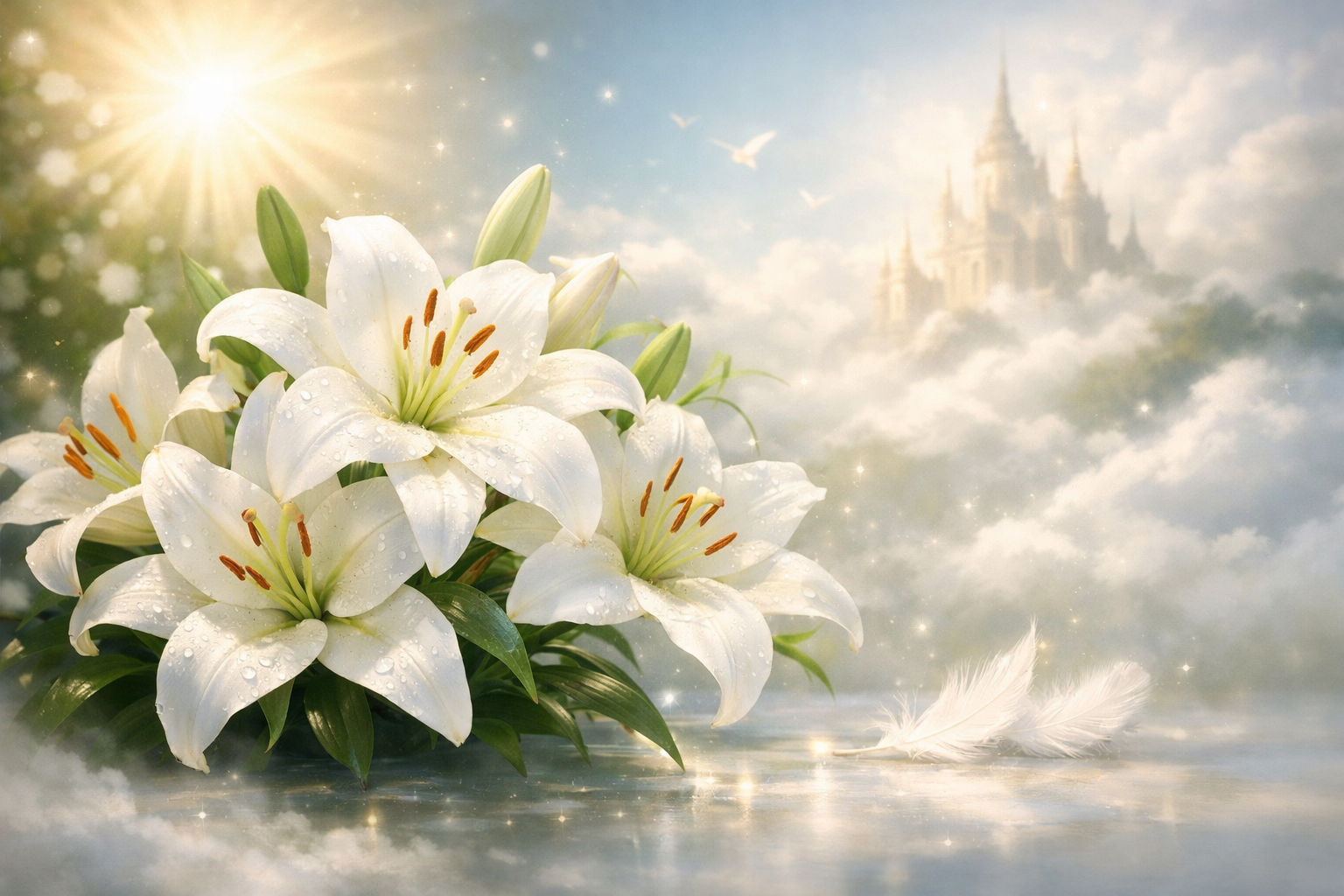
The white lily flower has long been admired for its timeless elegance, delicate fragrance, and deep symbolic meaning. Across cultures, religions, and centuries, white lilies have represented purity, renewal, and spiritual devotion. Their pristine petals and graceful form make them a favorite in gardens, ceremonies, art, and spiritual practices. Beyond their visual appeal, white lilies carry powerful messages that resonate with human emotions, faith, and the cycle of life.
Origin and Botanical Overview
White lilies belong to the genus Lilium, which includes more than 100 species native to Europe, Asia, and North America. Among them, the Madonna Lily (Lilium candidum) is one of the most iconic white lily varieties, cultivated for thousands of years. These flowers typically feature large, trumpet-shaped blooms, tall stems, and a sweet, soothing fragrance that intensifies in the evening.
White lilies thrive in well-drained soil, moderate sunlight, and cooler climates, though many varieties adapt well to different regions. Their blooming season usually falls in late spring to early summer, symbolizing the transition from dormancy to new life.
Symbolism of the White Lily
The symbolism of the white lily is rich and multilayered, making it one of the most meaningful flowers in the world.
Purity and Innocence
The most widely recognized meaning of the white lily is purity. Its spotless white petals represent innocence, honesty, and moral clarity. This is why white lilies are commonly used in weddings, baptisms, and religious ceremonies, where they symbolize a pure heart and new beginnings.
Spirituality and Faith
White lilies hold strong spiritual significance, especially in Christianity. They are often associated with the Virgin Mary, representing her purity, devotion, and divine grace. In religious art, angels are frequently depicted holding white lilies as symbols of holiness and God’s presence. The flower is also linked to Easter, signifying resurrection, hope, and eternal life.
Renewal and Rebirth
In many cultures, white lilies symbolize renewal and rebirth. Their emergence from underground bulbs after winter reflects the idea of life after hardship and the promise of fresh starts. This meaning makes them especially popular in funerals and memorial services, where they express the soul’s return to a peaceful, spiritual state.
Peace and Compassion
The calm and gentle appearance of white lilies conveys peace, sympathy, and compassion. When given as a gift, they communicate heartfelt emotions, offering comfort during times of grief or stress. Their presence creates a serene atmosphere, promoting emotional balance and inner calm.
Cultural Significance Around the World
White lilies have played an important role in various cultures throughout history.
In ancient Greece, lilies were believed to have originated from the milk of Hera, the queen of the gods, linking them to motherhood and divine femininity. Roman culture associated lilies with fertility and prosperity, often using them in celebrations and festivals.
In Eastern traditions, white lilies symbolize harmony and long-lasting relationships. In Chinese culture, lilies are associated with good luck and unity, making them popular gifts during weddings and family celebrations.
White Lilies in Modern Life
Today, white lilies continue to be cherished for both decorative and symbolic purposes. They are widely used in floral arrangements for weddings, religious events, and formal occasions due to their refined beauty. Interior designers also favor white lilies for creating elegant, minimalist spaces that feel calm and sophisticated.
In aromatherapy and wellness practices, the gentle fragrance of white lilies is believed to promote relaxation and reduce anxiety. Their scent is often described as clean, comforting, and spiritually uplifting.
Growing and Caring for White Lilies
Growing white lilies at home can be a rewarding experience. They require relatively simple care but offer stunning results.
- Soil: Well-drained, slightly acidic to neutral soil is ideal.
- Light: Most white lilies prefer full sun to partial shade.
- Watering: Regular watering is important, but waterlogging should be avoided.
- Maintenance: Removing spent blooms encourages healthy growth, while allowing leaves to die back naturally helps nourish the bulb for the next season.
With proper care, white lilies can return year after year, symbolizing continuity and enduring beauty.
Emotional and Spiritual Impact
The white lily’s ability to evoke deep emotions is one of its greatest strengths. Whether placed in a place of worship, gifted to a loved one, or grown in a personal garden, the flower serves as a gentle reminder of purity, hope, and spiritual connection. It encourages reflection, mindfulness, and appreciation for life’s quiet moments.
Conclusion
The white lily flower is far more than a beautiful bloom. It is a powerful symbol of grace, spirituality, and renewal that transcends cultures and generations. From ancient myths to modern ceremonies, white lilies continue to inspire peace, faith, and emotional healing. Their elegant appearance and profound meaning make them a timeless choice for expressing the deepest human values—purity of heart, spiritual devotion, and the promise of new beginnings.